LemonTrades

TL;DR
- Junk silver is worn US dimes, quarters and half dollars from 1964 or earlier, 90% silver, with no extra collector value.
- It’s sold by face value: each $1 of face value holds about 0.715 troy ounces of silver, so a $1,000 “bag” holds about 715 ounces.
- Pros: small pieces, easy to recognize, low premiums. Cons: wear, storage, and US tax at collectibles rates.
- LemonTrades follows the silver price for you, with alerts on sharp moves and the likely cause.
“Junk” doesn’t mean worthless; it means the coins are too common or worn for collectors to pay extra. You’re buying the silver, in pieces small enough to spend in a pinch.
What counts as junk silver
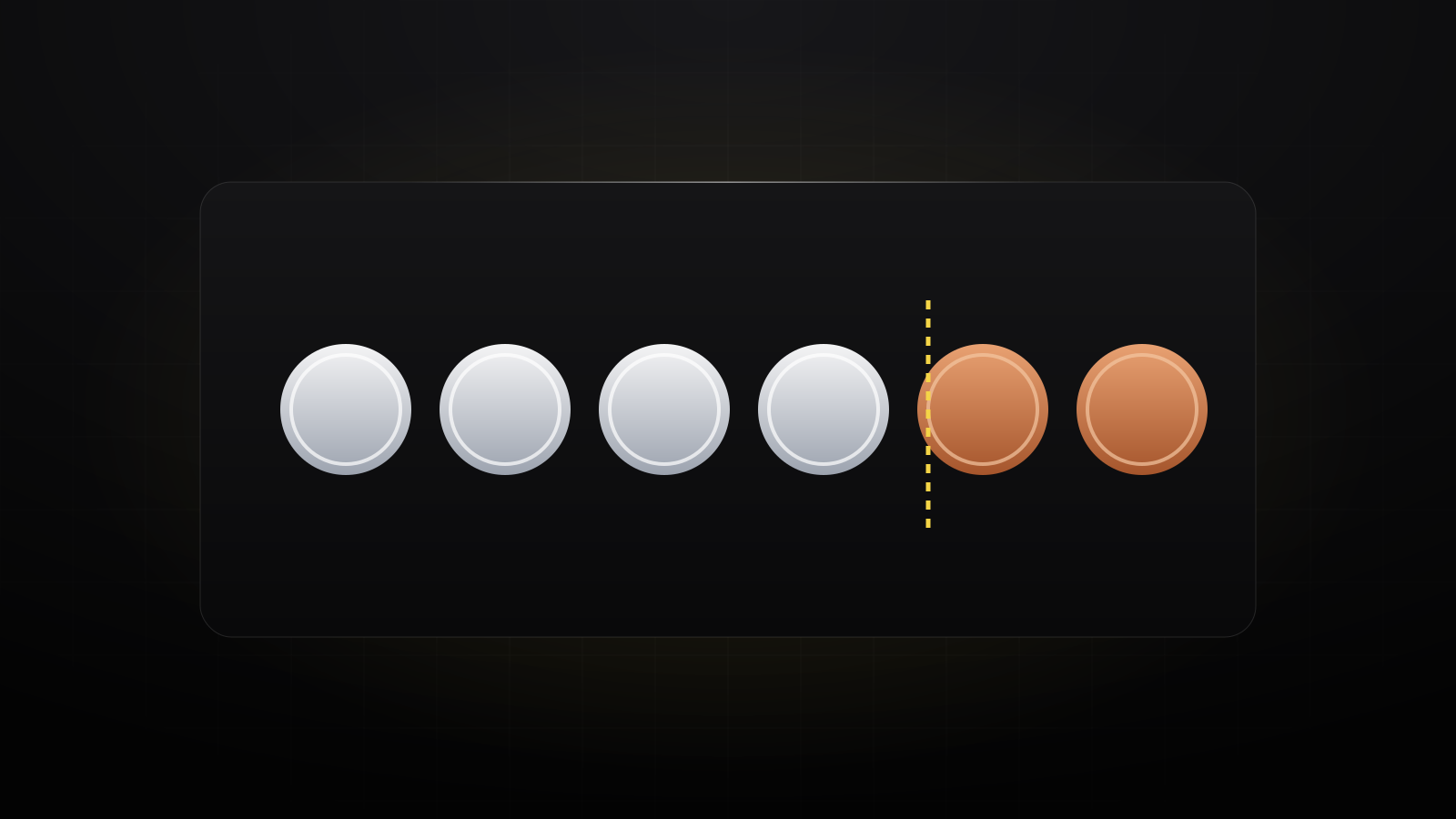
- 90% silver: Roosevelt and Mercury dimes, Washington quarters, and Franklin, Walking Liberty and 1964 Kennedy halves, all 1964 or earlier.
- 40% silver: Kennedy halves from 1965 to 1970, sold separately at lower prices.
- 35% silver: 1942–1945 “war nickels.”
Silver dollars (Morgan and Peace) contain more silver per dollar and usually carry a collector premium, so they’re sold separately. Every coin and year is in what year of US coins are silver.
What junk silver is worth today
Rule of thumb: $1 face value of 90% silver is worth about 0.715 times the silver price. Dealers sell above that (the premium) and buy a little below it. See live silver prices for the price per gram and kilo.
Pros and cons
Pros
- Small units, easy to sell a little at a time
- Hard to counterfeit: real US coins, known weights
- Often lower premiums than small silver bars or coins
Cons
- Worn coins: exact silver content varies slightly
- Bulky to store; a $1,000 bag weighs about 55 pounds
- Taxed as a collectible in the US
How to buy junk silver
- Check the silver price before you shop, and work out melt value (face value × 0.715 × price).
- Compare the premium over melt between dealers, including shipping.
- Buy from known dealers or local coin shops; check dates on the coins you get.
- Mind sales tax, which some states charge on bullion and coins.
Taxes
In the US, coins and bullion are collectibles: long-term gains are taxed at up to 28%, and short-term gains as ordinary income. Dealers file a Form 1099-B when you sell them $1,000 or more in face value of 90% US silver coins in one sale. Ask a tax professional about your own situation.
Sources
- Wikipedia: Junk silver
- IRS: Topic 409, capital gains and losses (collectibles)
- Wikipedia: Coinage Act of 1965
Education, not financial or tax advice. See our disclaimer.