LemonTrades
“The future for gold” can mean two things: the price of gold futures, or where gold is heading. They’re connected, but not the way most people think. Gold futures don’t predict anything. Here’s what they do tell you, and what actually matters for gold’s future.
What gold futures are
A gold futures contract is an agreement to buy or sell gold at a set price on a future date. The main ones trade on COMEX in New York:
- Gold (GC): 100 troy ounces. The smallest move, 10 cents, is worth $10, so a $1 move in gold is $100 per contract.
- Micro gold (MGC): 10 ounces, one tenth of the size: $1 per 10-cent move.
Futures trade almost around the clock, from Sunday at 6:00 PM to Friday at 5:00 PM ET, and most traders close or roll their contracts before delivery. See the best futures to trade for how gold compares with other contracts.
Why futures cost more than spot
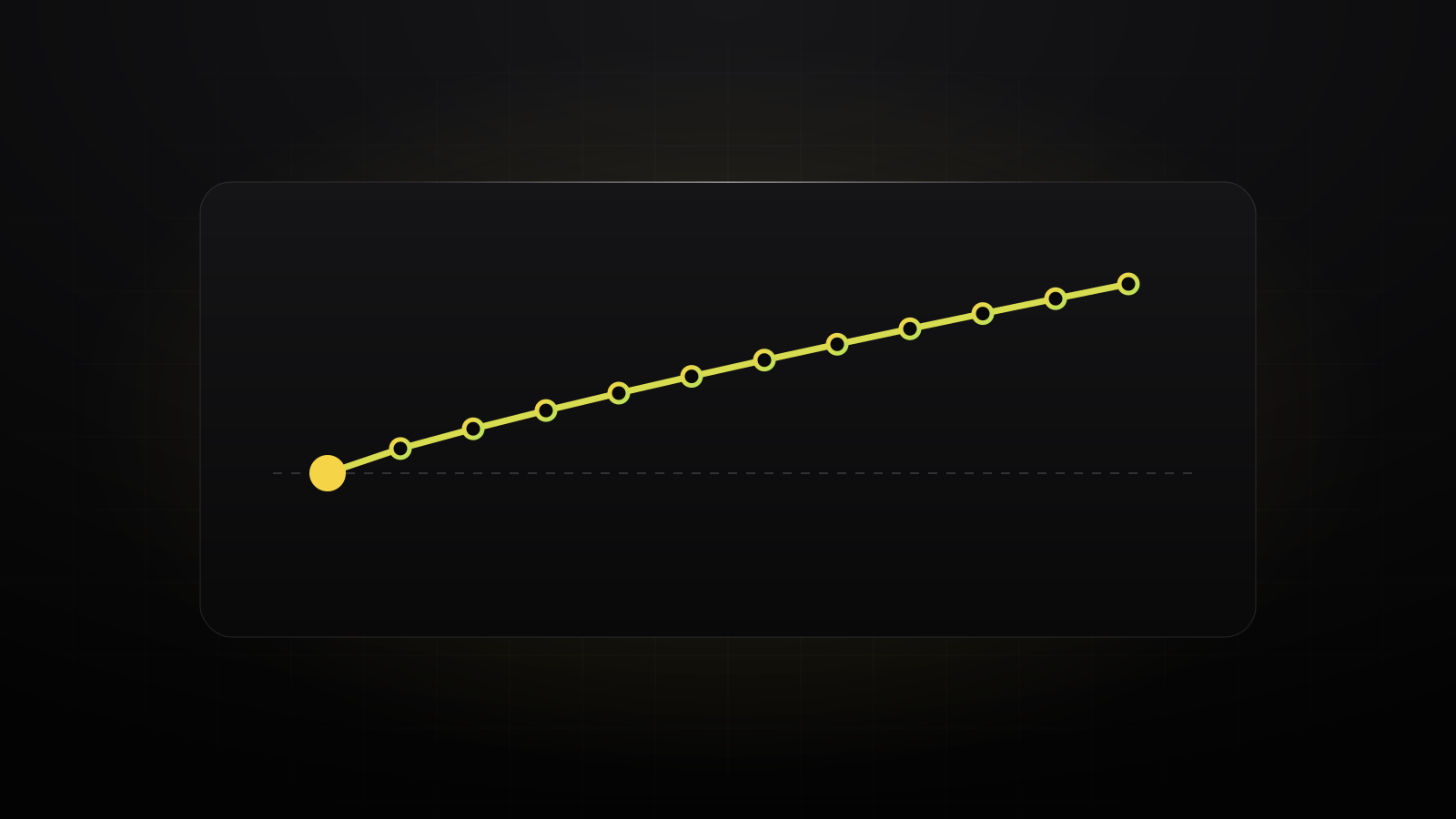
Buying gold for delivery in a few months is like buying it now and holding it until then. Holding gold costs storage, insurance and the interest you could have earned on the money. So futures trade above spot by roughly that cost of carry, and the further out the month, the bigger the premium. Traders call this contango.
That’s the key point: a futures price above spot isn’t the market predicting a rise. It’s mostly interest rates. When rates are higher, the premium is bigger.
What about gold price forecasts?
Banks and analysts publish gold forecasts all the time, and they’re often far apart and often wrong. They’re opinions, built on assumptions about interest rates, the dollar and demand. They’re useful for understanding those assumptions, not as a promise. If someone guarantees where gold will be, be skeptical.
What will decide gold’s future
- Interest rates and the Fed. Lower real yields usually help gold; higher ones hurt.
- The US dollar. A weaker dollar usually means a higher gold price.
- Central bank buying. Central banks bought more than 1,000 tonnes a year in 2022, 2023 and 2024. Whether they keep buying matters a lot.
- Fear and geopolitics. Wars, financial scares and political shocks send money into gold.
- Inflation. Over the long run gold tends to keep its value as money loses some of its own.
We explain each in why gold goes up and why it drops.
Thinking in scenarios
Rather than one forecast, traders ask what would push gold each way:
- Higher: rate cuts, a weaker dollar, steady central bank buying, a recession scare or a geopolitical shock.
- Lower: rates staying high, a stronger dollar, central banks slowing their purchases, or calm markets drawing money into stocks.
Then they watch the news and the economic calendar for which scenario is playing out.
Education, not financial advice. Nobody knows where gold will go, and futures use leverage, so you can lose more than you put in. See our disclaimer.