LemonTrades
TL;DR
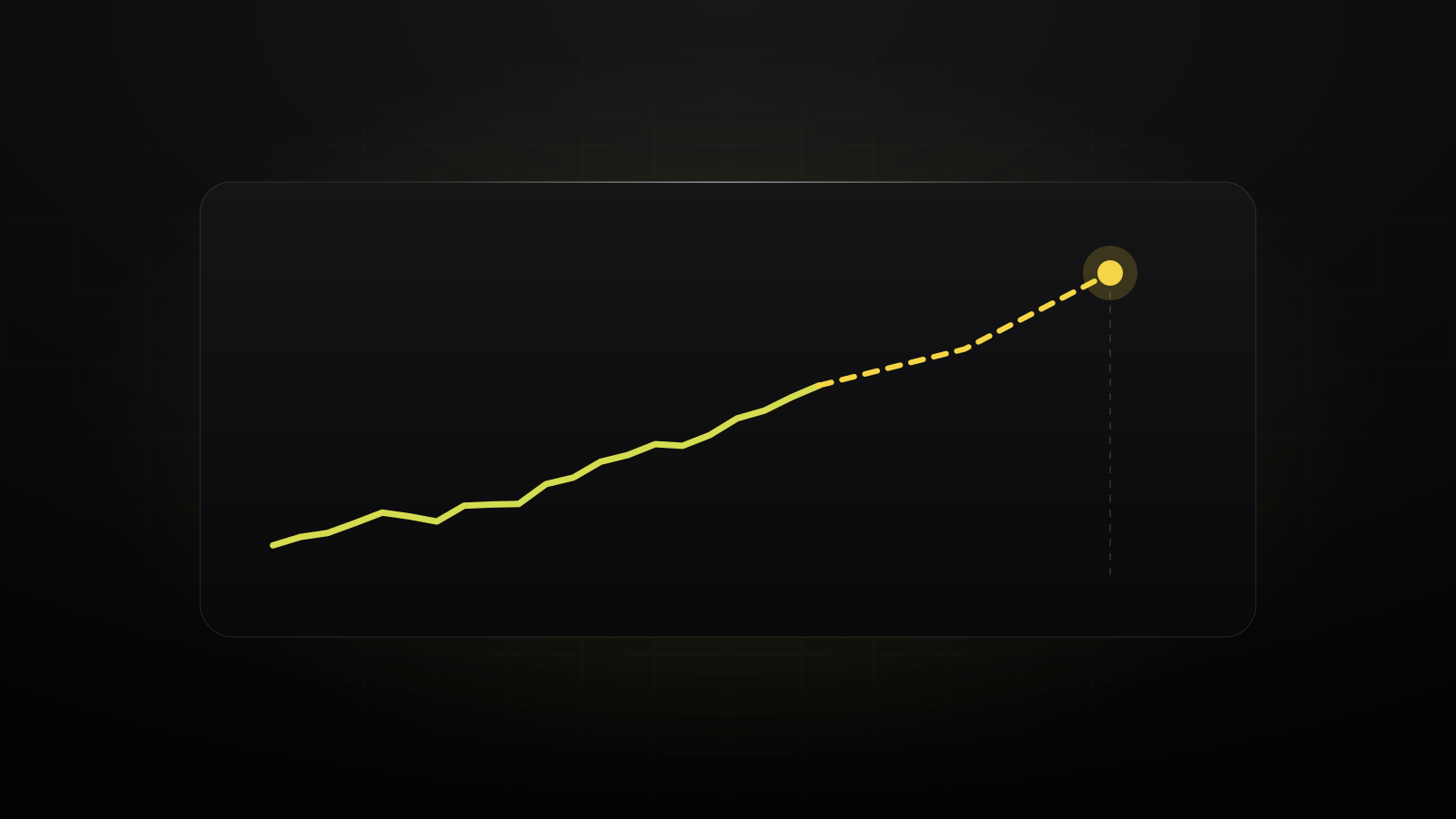
- Big banks still see gold higher by the end of 2027: Goldman Sachs, for one, at about $5,400 an ounce.
- Those forecasts assume steady central bank buying and lower rates; higher-for-longer rates would prove them wrong.
- Year-ahead gold forecasts are often wrong: use them for their assumptions.
- Instead of a year-ahead target, LemonTrades writes a bias for gold every weekday and grades it at the close.
Gold set a record near $5,590 an ounce in January 2026, then fell back. Banks still see it higher by the end of 2027. Here’s what they’ve said, and how much weight to give it.
What the banks forecast for 2027
As reported in 2026 coverage of their research (check the dates, because banks revise often):
- Goldman Sachs: about $5,400 an ounce by the end of 2027, a target it kept even while trimming its end-2026 view to $4,650.
- UBS: about $5,400 for 2027, according to a September 2026 roundup.
- J.P. Morgan: reports differ, from around $5,400 to as high as $6,300 for the end of 2027.
So the big banks broadly expect gold to end 2027 above today’s price, but well within the range it has already traded in 2026.
What those forecasts assume
- Central banks keep buying. Purchases of more than 1,000 tonnes a year in 2022–2024 were a big part of gold’s run.
- Interest rates come down over time, making gold cheaper to hold against bonds.
- The dollar doesn’t surge. A strong dollar usually weighs on gold.
- Investors keep diversifying into gold through ETFs, as protection against debt worries and geopolitical risk.
What could prove them wrong
- Higher-for-longer rates. If the Fed keeps rates high or raises them, gold’s cost of holding rises.
- Central banks slow down. Less official buying would remove a pillar of demand.
- Calm markets. A long stretch without crises tends to pull money out of safe havens.
- A stronger dollar.
And on the upside: a recession, a financial scare or a big geopolitical shock could push gold past the targets.
How much to trust a gold forecast
Year-ahead forecasts for gold are often far apart and often wrong; banks themselves cut and raise them through the year. They’re most useful for what they reveal about the assumptions behind them. If you trade gold, the drivers you can check every day (yields, the dollar, the Fed, central bank buying) matter more than any single target. See why gold goes up and why it drops.
Looking further out? Read how high could gold go. Watching silver too? See the gold and silver outlook.
Sources
- investingLive: Goldman trims end-2026 forecast to $4,650, holds $5,400 for 2027
- FXNX: gold price forecasts 2027, bank targets dated
- BullionStar: gold price forecast 2027
- CBS News: the highest gold price in history
Not financial advice, and not our forecast. Bank targets are reported from secondary sources and change often; check the banks’ own research. Gold can fall as well as rise. See our disclaimer.