LemonTrades
TL;DR
- The “movie” gold bar, the standard bar central banks hold, weighs about 400 troy ounces: 12.4 kilograms or 27.4 pounds.
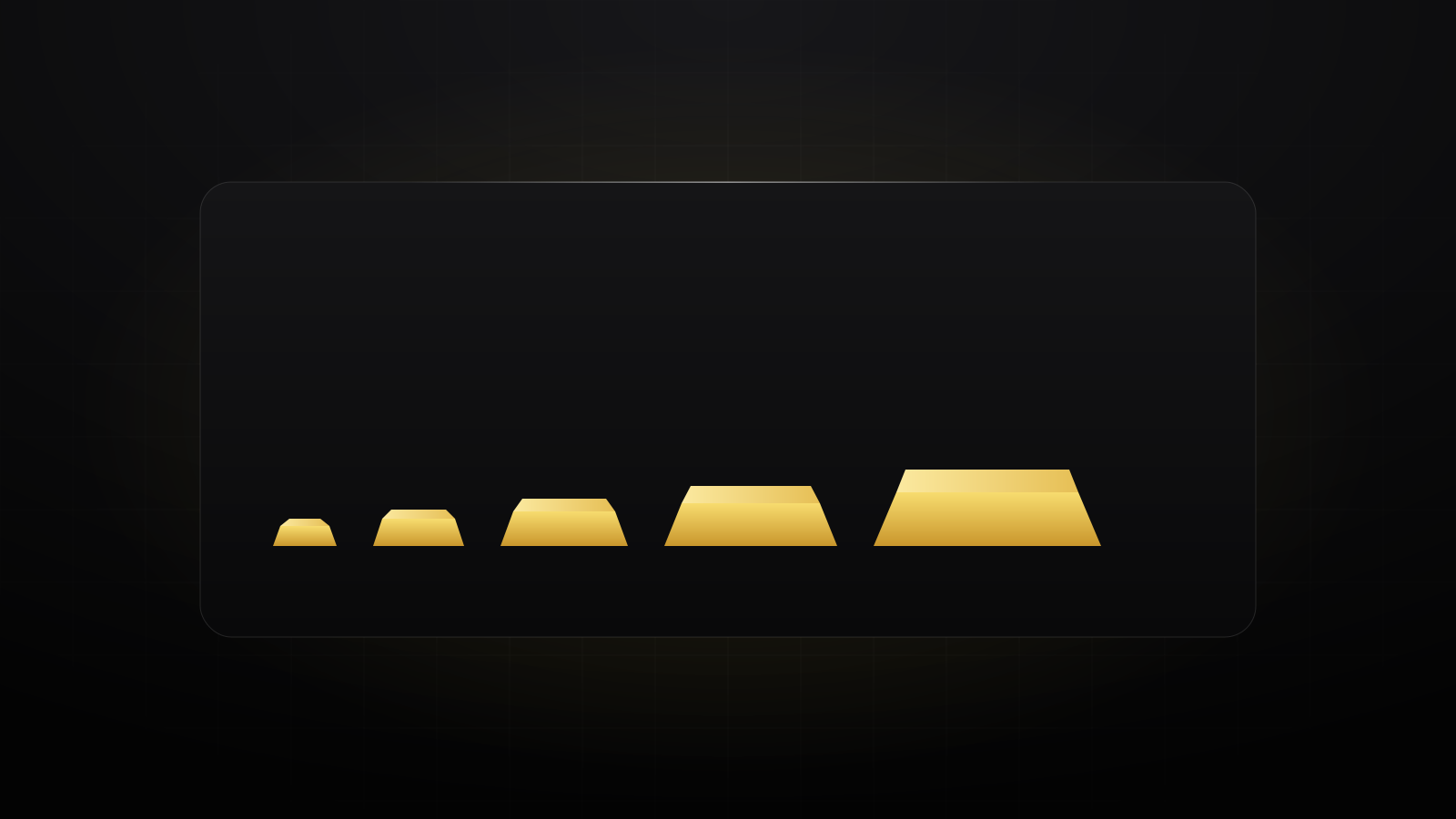
- The bars people buy are smaller: 1 ounce (31.1 grams), 10 ounces, 1 kilo (32.15 ounces) and gram bars.
- Gold is priced by the troy ounce, which is 31.1 grams, about 10% heavier than an everyday ounce.
- LemonTrades follows the gold price for you and tells you what moved it, and why, within seconds.
“A gold bar” can mean anything from a 1-gram wafer to a 27-pound brick. Here’s every common size, and what it’s worth right now.
Gold bar sizes and weights
The standard gold bar: 400 ounces
The bars traded between banks in London, and held by central banks, are “Good Delivery” bars. The London Bullion Market Association’s rules allow 350 to 430 troy ounces of gold (about 10.9 to 13.4 kilograms), at least 99.5% pure, so a typical bar is close to 400 ounces, or 27.4 pounds. The US Mint describes the bars at Fort Knox the same way: about the size of a building brick, each holding roughly 400 troy ounces of gold (about 27.5 pounds).
Troy ounces vs ordinary ounces
Gold is weighed in troy ounces of 31.103 grams. The ounce on a kitchen scale is 28.35 grams. So a troy ounce is about 10% heavier, while a troy pound (12 troy ounces) is lighter than an ordinary pound. The pound figures above are ordinary pounds.
Why gold bars are so heavy for their size
Gold is one of the densest metals: 19.32 grams per cubic centimeter, about 2.5 times as heavy as steel. A 1-ounce bar is about the size of a postage stamp; a gallon jug filled with gold would weigh about 161 pounds. That density is also why counterfeiters use tungsten, which weighs almost the same; see how to tell if gold is real.
Which bar size to buy
- Gram bars are affordable but carry the highest premium, often 10% or more over the gold.
- 1-ounce bars balance cost and ease of selling; they’re the most traded size.
- Kilo and 10-ounce bars have the lowest premium per ounce but are harder to sell in part.
Prefer not to store metal? See the best gold ETFs and gold bullion bars.
Sources
Education, not financial advice. See our disclaimer.