LemonTrades
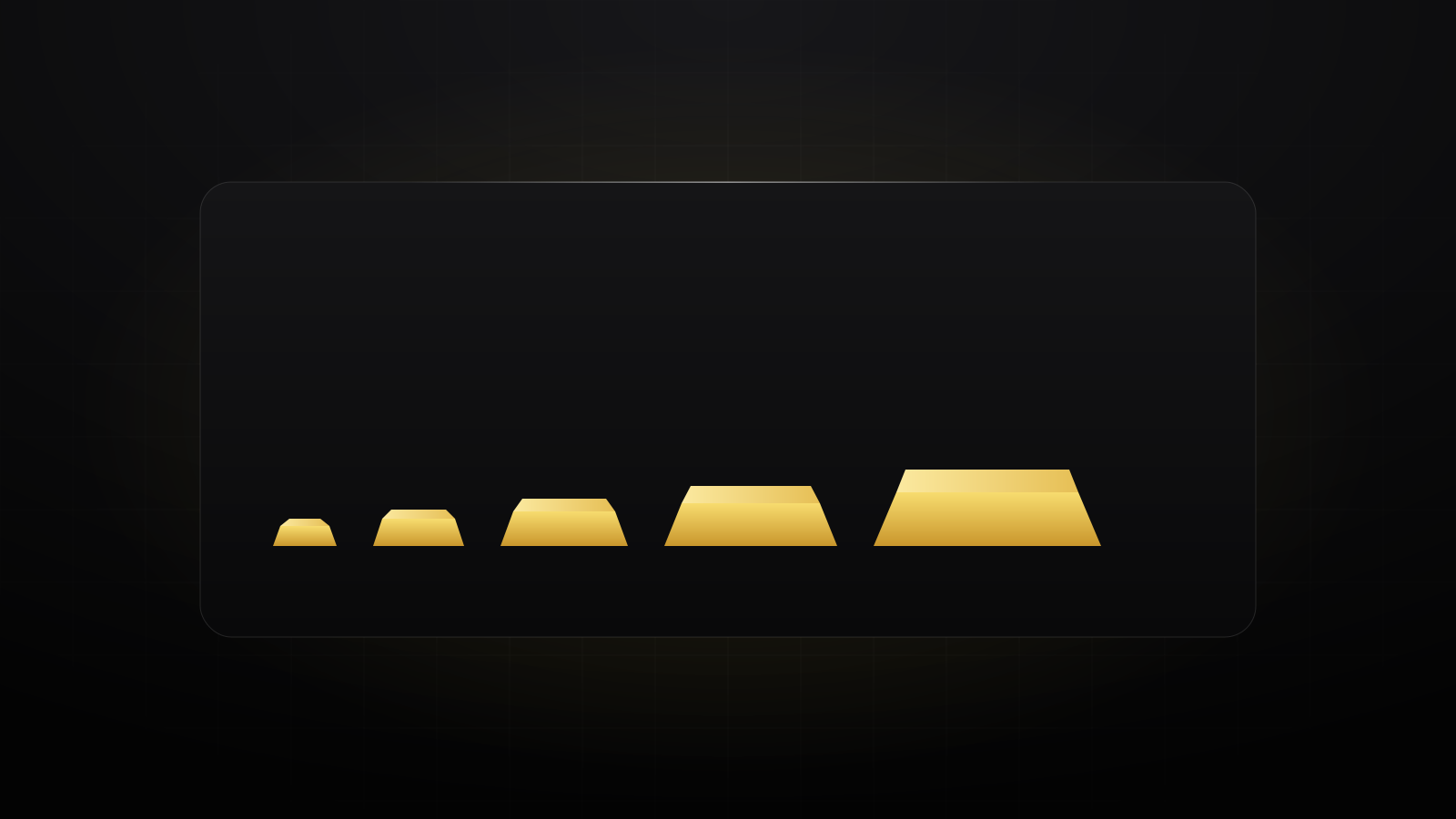
Gold bars are the cheapest way to own physical gold per ounce, and the bigger the bar, the cheaper it gets. Here’s what every common size is worth right now, and what to know before you buy one.
What a gold bullion bar is
A bar of gold valued for its metal: almost always .999 or .9999 fine (99.9% or 99.99% gold), stamped with its weight, purity and maker. The bars central banks hold are 400-ounce “Good Delivery” bars, between 350 and 430 ounces each, traded between banks in London. For individuals, bars run from 1 gram to 1 kilo.
Which size to buy
- 1 ounce and 50 to 100 grams are the usual sweet spot: a low premium and still easy to sell.
- Kilo and 10-ounce bars have the lowest premium, but you have to sell the whole bar at once, and buyers may want to test it.
- Gram bars make good gifts and let you buy in small steps, but you pay much more per ounce.
Cast or minted?
Cast bars are poured into a mold. They look rougher and usually cost a little less. Minted bars are cut from rolled gold and stamped, with sharp edges and a polished face. Most come sealed in a card (an assay card) that certifies weight and purity, with a serial number that matches the bar. Keep the card sealed: it makes selling easier.
Brands to trust
Stick to bars from refiners accredited by the LBMA, the London market’s standards body: names like PAMP, Valcambi, Argor-Heraeus, Metalor, the Perth Mint and the Royal Canadian Mint. Every dealer knows them, so they sell close to spot. Unknown brands can be hard to sell and are more likely to be fake.
How to buy gold bars
- Check the live spot price, so you can see the premium you’re paying.
- Compare two or three established dealers on the total: premium, shipping, insurance and payment fees.
- Pay by bank transfer if card payments cost more.
- Check the bar on arrival: weight, dimensions and that the serial number matches the card.
Storing and selling bars
Keep bars in a safe at home, a bank safe deposit box (not covered by FDIC insurance) or an insured vault. When you sell, dealers pay at or a little under spot for well-known bars in their original packaging; get quotes from more than one. In the US, gains on gold are taxed as collectibles, at up to 28% for long-term gains, and dealers report some large sales to the IRS.
Spotting a fake bar
The best defense is buying from a reputable dealer. Fakes often use tungsten, which weighs almost exactly the same as gold, so a scale alone won’t catch a good one. Check the dimensions against the maker’s specs, and for larger bars ask a dealer to test with an X-ray (XRF) or ultrasonic machine. A price well below spot is a warning sign.
Weighing bars against coins? See our guide to gold bullion and what gold really costs.
Education, not financial advice. Premiums vary by dealer and over time. See our disclaimer.