LemonTrades
Ask “how much does gold cost?” and you’ll get the spot price. But nobody buys a coin at spot. What you pay depends on what form the gold comes in, how much of it you buy, and from whom.
The cost of gold today
Live prices, with rough estimates of what dealers charge for common coins and bars. Premiums vary by dealer and change with demand, so treat these as a guide.
Why nobody pays the spot price
The spot price is what banks and big traders pay for large bars between themselves. Turning that gold into a coin or a small bar, shipping it, insuring it and selling it to you costs money, and the dealer needs a margin. All of that is the premium.
When you sell, it works the other way: dealers pay at or a little under spot. The gap between what you pay and what you’d get back is the real cost of owning physical gold.
What makes the premium higher or lower
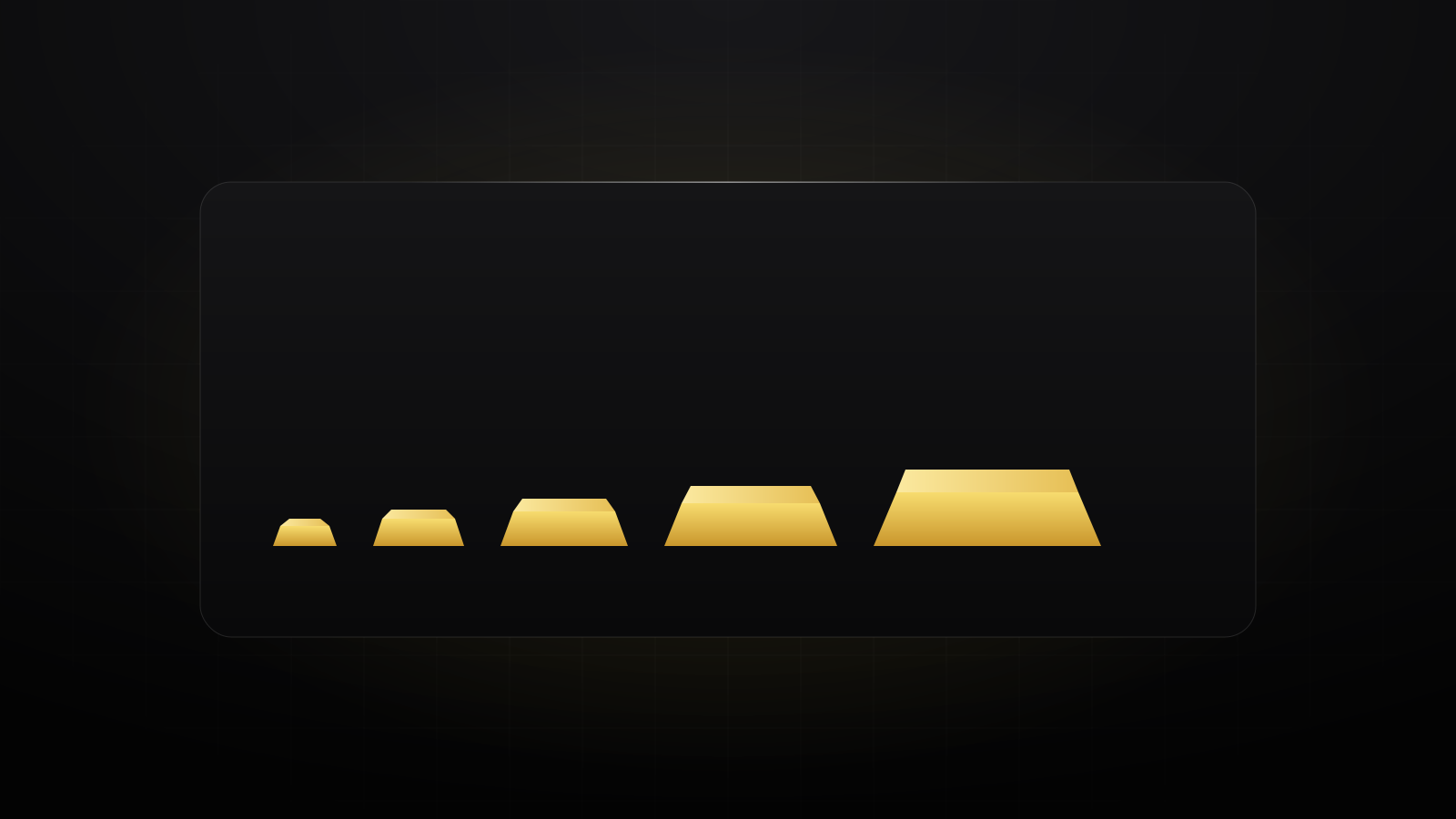
- Size. Bigger pieces cost less per ounce. A kilo bar might be 1–2% over spot; a 1-gram bar can be 10–20% over.
- Form. Coins cost a bit more than bars of the same weight, but they’re easier to sell.
- Demand. When lots of people rush to buy, as they did in 2020, premiums jump and dealers run short.
- Payment. Many dealers charge 3–4% more for card payments than for bank transfers.
- The seller. Online dealers with high volume usually beat small shops; TV and phone sellers are often the most expensive.
What gold jewelry costs
Jewelry is priced mostly on design, labor and the store’s markup, not on its gold. A 14-karat ring is only 58.3% gold, and its price in a store is often several times the value of that gold. That’s why jewelry usually sells back for much less than you paid: buyers pay for the gold content, its melt value. Our guide to what gold is worth today shows how to work it out.
The cost of holding gold
- Storage and insurance for coins and bars: a safe, a bank box, or a vault fee.
- ETF fees: 0.10% to 0.40% a year for the big gold ETFs, taken from the fund’s gold. See the best gold ETFs compared.
- Taxes: in the US, gains on gold are taxed as collectibles, at up to 28% for long-term gains. Many states don’t charge sales tax on bullion; some do.
- No income: gold pays no interest or dividends. Holding it means giving up what that money could earn elsewhere.
How to pay less
- Check the live spot price before you shop, so you know the premium you’re being charged.
- Buy the largest size that suits you: 1-ounce coins and bars are the usual sweet spot.
- Compare two or three dealers on the total, including shipping and payment fees.
- Pay by bank transfer if the dealer offers a discount for it.
- For pure price exposure with the lowest cost to buy and sell, consider a gold ETF instead.
Education, not financial advice. Premiums are typical ranges and vary by dealer and over time. See our disclaimer.