LemonTrades
TL;DR
- A stock is a small piece of a company. Companies sell shares to raise money; after that, investors trade them with each other.
- Prices are set by buyers and sellers, through brokers, on exchanges like the NYSE and Nasdaq, 9:30 AM to 4:00 PM ET on weekdays.
- Prices move on news: earnings, interest rates, the economy and surprises. Indices like the S&P 500 sum up the whole market.
- LemonTrades tells you what moved the market, and why, as it happens, and warns you before the data that moves it.
Every weekday, millions of shares change hands in the US stock market. Here’s what’s actually happening, from the company to your brokerage app.
The market right now
1. What a stock is
A share of stock is a slice of ownership in a company. Owning it gives you a claim on the company’s profits, which some companies pay out as dividends, and usually a vote on its board. If the company grows, the shares tend to become worth more; if it fails, they can go to zero.
2. How shares get to the market
A company sells shares to the public for the first time in an initial public offering (IPO), with banks lining up buyers and setting the first price. That money goes to the company. From then on, shares trade between investors, and the company gets nothing from those trades; this is the “secondary market” most people mean by the stock market.
3. How trading works
- You place an order with a broker, such as a buy of 10 shares, through an app or website.
- The broker sends it to be filled: on an exchange like the NYSE or Nasdaq, or with a trading firm that fills orders itself.
- Market makers stand ready to buy and sell all day, quoting a bid (what buyers pay) and an ask (what sellers want). The gap is the spread.
- The trade settles one business day later (T+1, since May 2024): the shares and cash change hands for good.
Orders come in types: a market order fills right away at the best price; a limit order fills only at your price or better; a stop order becomes a market order once a price is hit, often to cap a loss.
4. What sets the price
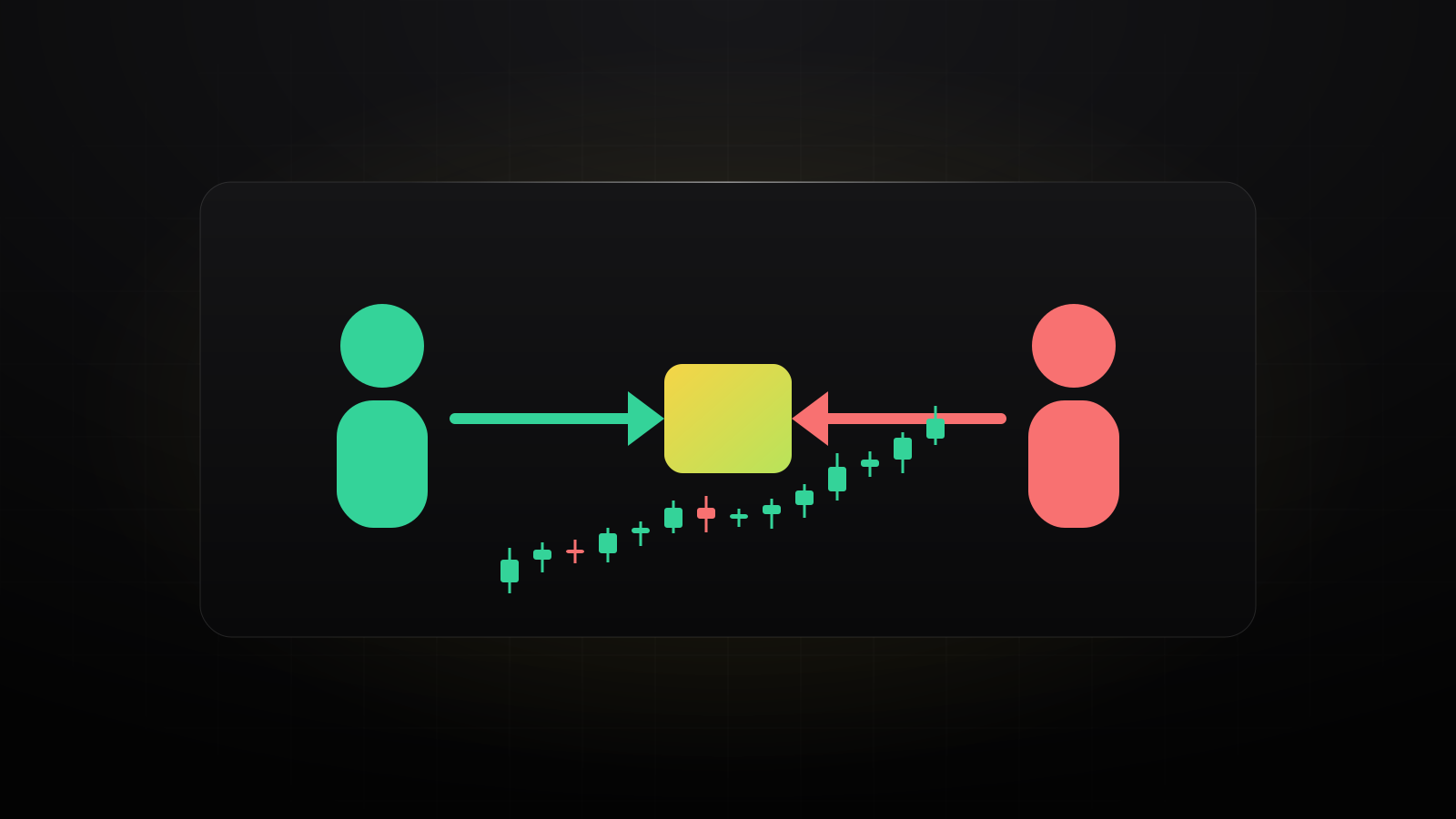
The price is simply where the last buyer and seller agreed. It rises when more people want to buy than sell at the current price, and falls when sellers outnumber buyers. What changes their minds is news:
- Earnings: a company’s quarterly results against expectations. See the earnings calendar.
- Interest rates: higher rates make future profits worth less today and bonds more attractive. See when interest rates could go down.
- The economy: jobs, inflation and growth reports. See what is a recession.
- Surprises: tariffs, wars, regulation, a big contract. See why the stock market is moving today.
5. When it’s open
US stocks trade 9:30 AM to 4:00 PM ET on weekdays, with pre-market trading from 4:00 AM and after-hours trading until 8:00 PM at many brokers. The market closes on 10 holidays a year. See what time the stock market closes and how many trading days are in a year.
6. Who keeps it fair
The SEC sets the rules and goes after fraud; FINRA oversees brokers. If a US brokerage fails, SIPC protects customers’ securities and cash up to $500,000, including $250,000 in cash. It doesn’t protect against losses from prices falling.
How to start
- Open a brokerage account, or a retirement account like an IRA.
- Start broad: many investors begin with an index fund. See is VOO a good investment?
- Practice first if you want to trade: see paper trading.
Sources
Education, not financial advice. See our disclaimer.