LemonTrades

TL;DR
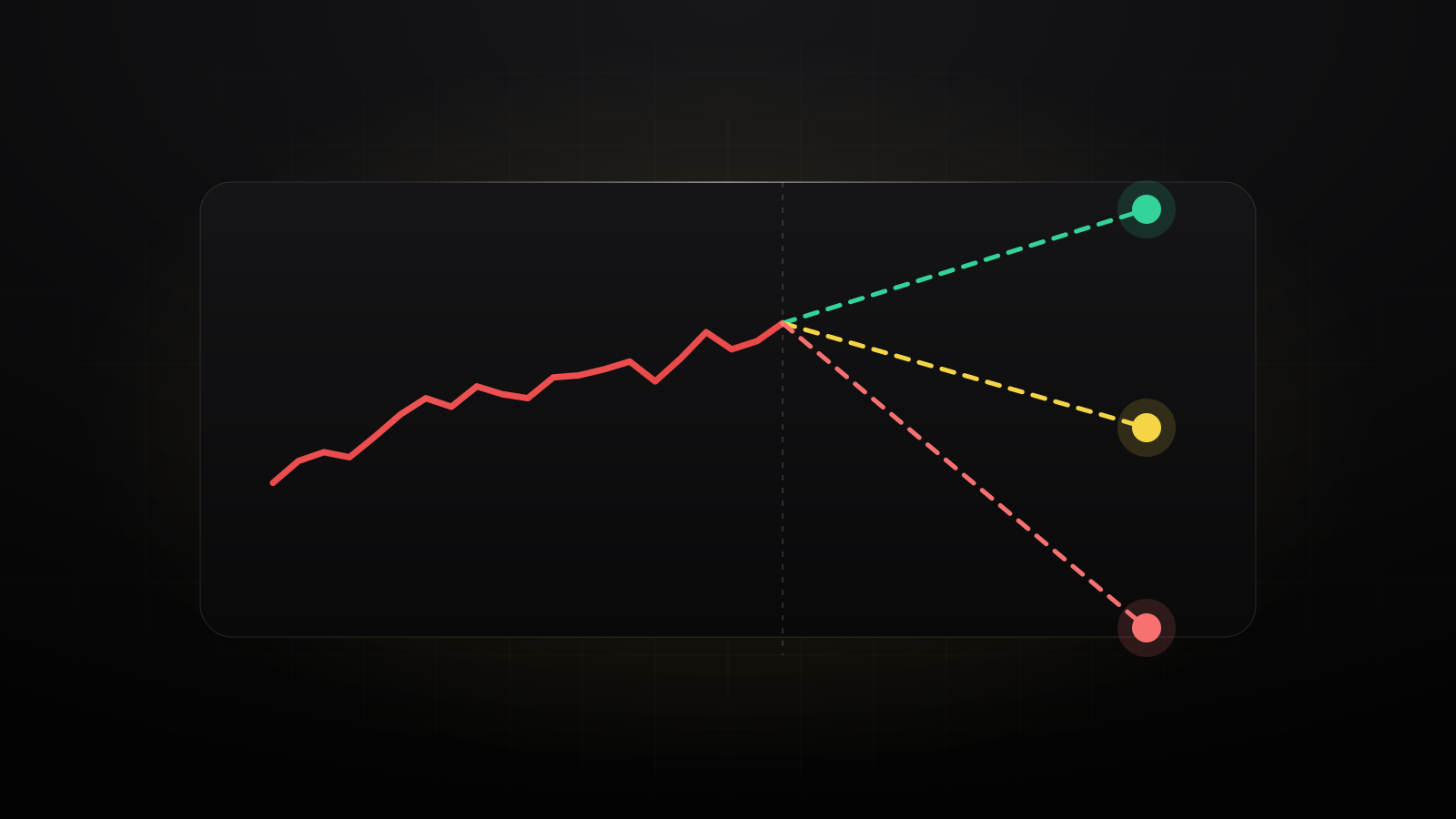
- Our 2030 scenarios: about $8 a share if growth is slow, about $25 in the middle, and about $69 if Rivian becomes a major automaker.
- Revenue rose 38% to $2.155 billion in the third quarter, on a record 19,248 deliveries, but it still lost $913 million.
- 25 analysts rate it a Buy on average, with a 12-month target of about $18, ranging from $10 to $25.
- LemonTrades tells you what moved Rivian, and why, as it happens, and warns you before its earnings.
Nobody knows where any stock will be in 2030. What you can do is work out what has to happen for a price to make sense.
How we got there
| Bear | Base | Bull | |
|---|---|---|---|
| 2030 revenuefrom about $7.7 billion in 2026 | $15B | $30B | $50B |
| Growth a year | 18% | 41% | 60% |
| Price-to-sales multiple | 1× | 1.5× | 2.5× |
| Company value | $15B | $45B | $125B |
| Per shareabout 1.8 billion shares | $8 | $25 | $69 |
Rivian has about 1.46 billion shares now. We assume about 1.8 billion by 2030, because it’s losing money and will probably need to raise more. At about $50,000 a vehicle, $30 billion of revenue means about 600,000 vehicles a year, against 67,000 to 70,000 expected in 2026.
Where Rivian stands
- Third quarter: revenue of $2.155 billion, record deliveries of 19,248, up 46%, with the new R2 as its top seller.
- Gross profit of $176 million, a good sign, but a net loss of $913 million.
- 2026 forecast: 67,000 to 70,000 deliveries, and an adjusted EBITDA loss of $1.75 to $1.85 billion.
- Analysts’ forecast: revenue of about $7.68 billion this year and $11.6 billion next year.
What could go wrong
- Cash: losses this size mean it may have to raise money, which spreads ownership thinner.
- Demand: US EV demand has been uneven since federal tax credits ended.
- Competition: Tesla, plus cheaper rivals. See Tesla vs Lucid.
- Costs: tariffs and building a new factory.
Compare the math with Tesla’s 2030 scenarios. Before buying any single stock, see how to evaluate investment risks.
Sources
Education, not financial advice. These are illustrations, not forecasts. See our disclaimer.