LemonTrades
TL;DR
- Tesla makes about 1.6 million cars a year and earns a profit. Lucid makes a few thousand a quarter and has never been profitable.
- In Q3 2026 Lucid delivered 3,806 cars to Tesla’s 486,532, and it leans on its majority owner, Saudi Arabia’s Public Investment Fund, for money.
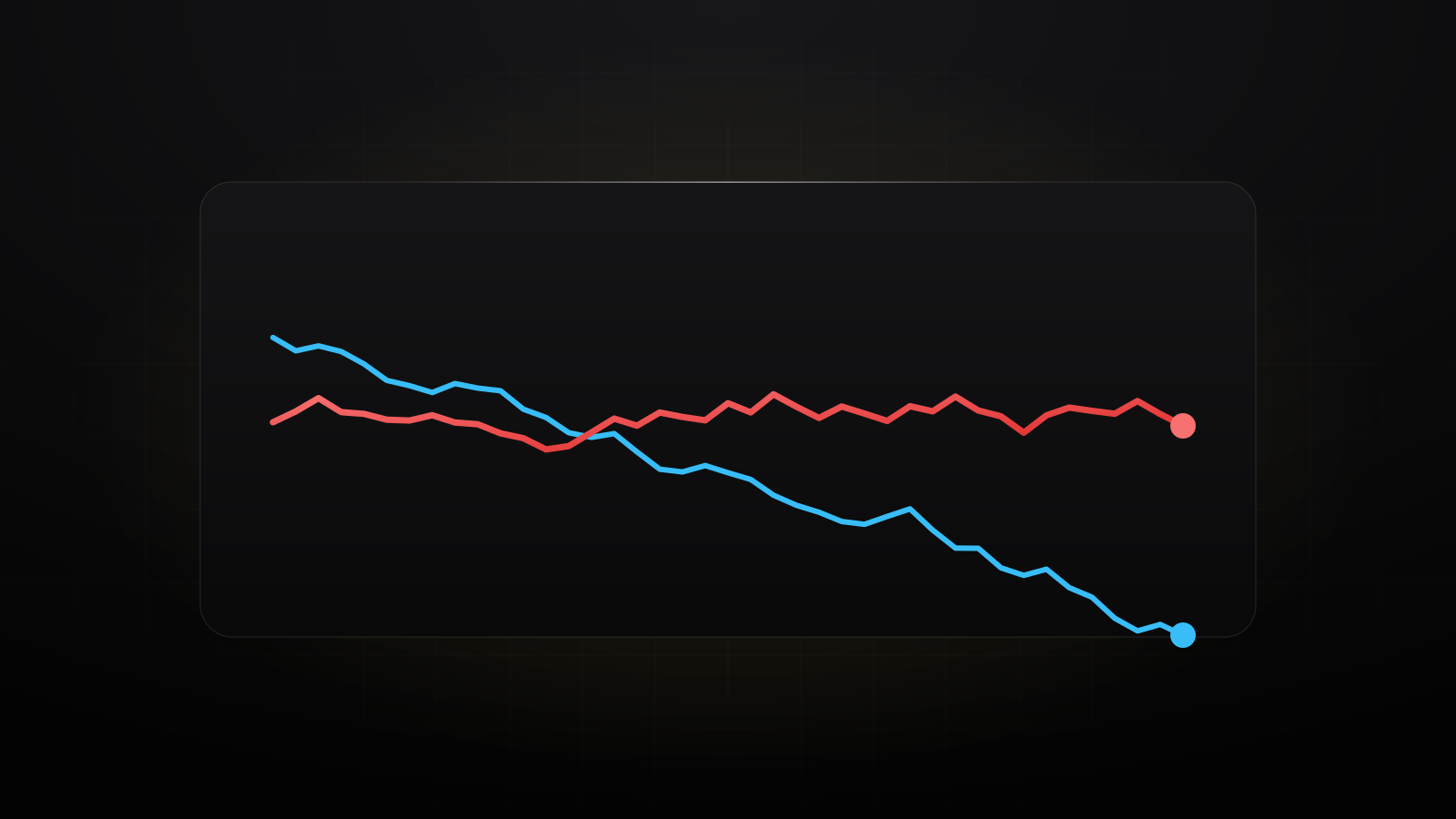
- Lucid’s stock is down more than 80% from its high of the past year, after a 1-for-10 reverse split in 2025. Both stocks swing hard, and Lucid far harder.
- Follow both on LemonTrades for every delivery, funding and earnings headline as it breaks.
Tesla and Lucid both sell expensive electric cars, but as investments they have little in common. One is valued on profits and big bets on autonomy; the other on whether it can last long enough to reach scale.
Side by side
| Tesla | Lucid | |
|---|---|---|
| Cars delivered, Q3 2026 | 486,532 | 3,806 |
| Models | Model 3 and Y, Cybertruck, Semi, and the Cybercab robotaxi | Air sedan, Gravity SUV |
| Profitable? | Yes, every year since 2020 | No, losses every year |
| Main backer | Public shareholders; Musk owns about 20% | Saudi Arabia’s Public Investment Fund, its majority owner |
| Other businesses | Energy storage, self-driving software, robotaxis, robots | Technology licensing |
What moves Tesla
Deliveries and margins, robotaxi and self-driving progress, the Optimus robot, Elon Musk, and the mood in big tech. It trades at hundreds of times its profit, so it reacts hard to anything that changes the long-term story. See why Tesla stock is moving today.
What moves Lucid
- Cash and funding. Lucid loses money on its cars and raises cash regularly; in April 2026 it announced about $1.05 billion of new capital, including $550 million from an affiliate of the PIF. Each raise adds shares and tends to push the price down.
- Production and deliveries. It reaffirmed a target of 25,000 to 27,000 cars made in 2026, then delivered 3,806 in Q3 against forecasts of nearly 4,700.
- The Gravity SUV, its bid for a bigger market, which had a supplier problem earlier in 2026.
Lucid’s reverse split
In late August 2025 Lucid combined every 10 shares into one, lifting the share price tenfold without changing what the company was worth. Charts adjust older prices for it. The stock has fallen sharply since, a common pattern after reverse splits.
Which is riskier?
Both are volatile, but differently. Tesla’s risk is that its very high valuation shrinks if robotaxis and robots disappoint. Lucid’s risk is more basic: whether it reaches enough scale to make money before investors stop funding it. Lucid typically moves far more than Tesla on the same day.
Sources
- Lucid: Q3 2026 production and deliveries (SEC filing)
- Electrek: Tesla Q3 2026 results
- The Motley Fool: why Lucid stock fell after its reverse split
Education, not financial advice. See our disclaimer.