LemonTrades
When someone says oil is at $80, they almost always mean the next Brent futures contract. Here’s what that contract is, and why it matters even if you never trade one.
What is a Brent futures contract?
A futures contract is an agreement to buy or sell something at a set price on a future date. A Brent futures contract covers 1,000 barrels of Brent crude oil for delivery in a given month. It trades on ICE Futures Europe in London, and it’s one of the most traded commodity contracts in the world.
The contract at a glance
- Exchange: ICE Futures Europe. A look-alike contract on the CME (ticker BZ) settles on the ICE price.
- Size: 1,000 barrels.
- Price: US dollars and cents per barrel. The smallest move, one cent, is worth $10 per contract, and a $1 move is worth $1,000.
- Months: a contract for every month, listed years ahead.
- Last trading day: the last business day of the second month before delivery. The December contract, for example, stops trading at the end of October.
- Settlement: in cash, against the ICE Brent Index, with the option to swap for physical oil (an “exchange for physical”).
The front month is “the oil price”
The contract closest to expiry is the front month, and it’s the price quoted in the news and on most charts, including our live Brent crude oil price. When it expires, quotes switch to the next month. If the two months are priced differently, continuous charts show a small jump on that day that isn’t a real move in the market.
The futures curve: contango and backwardation
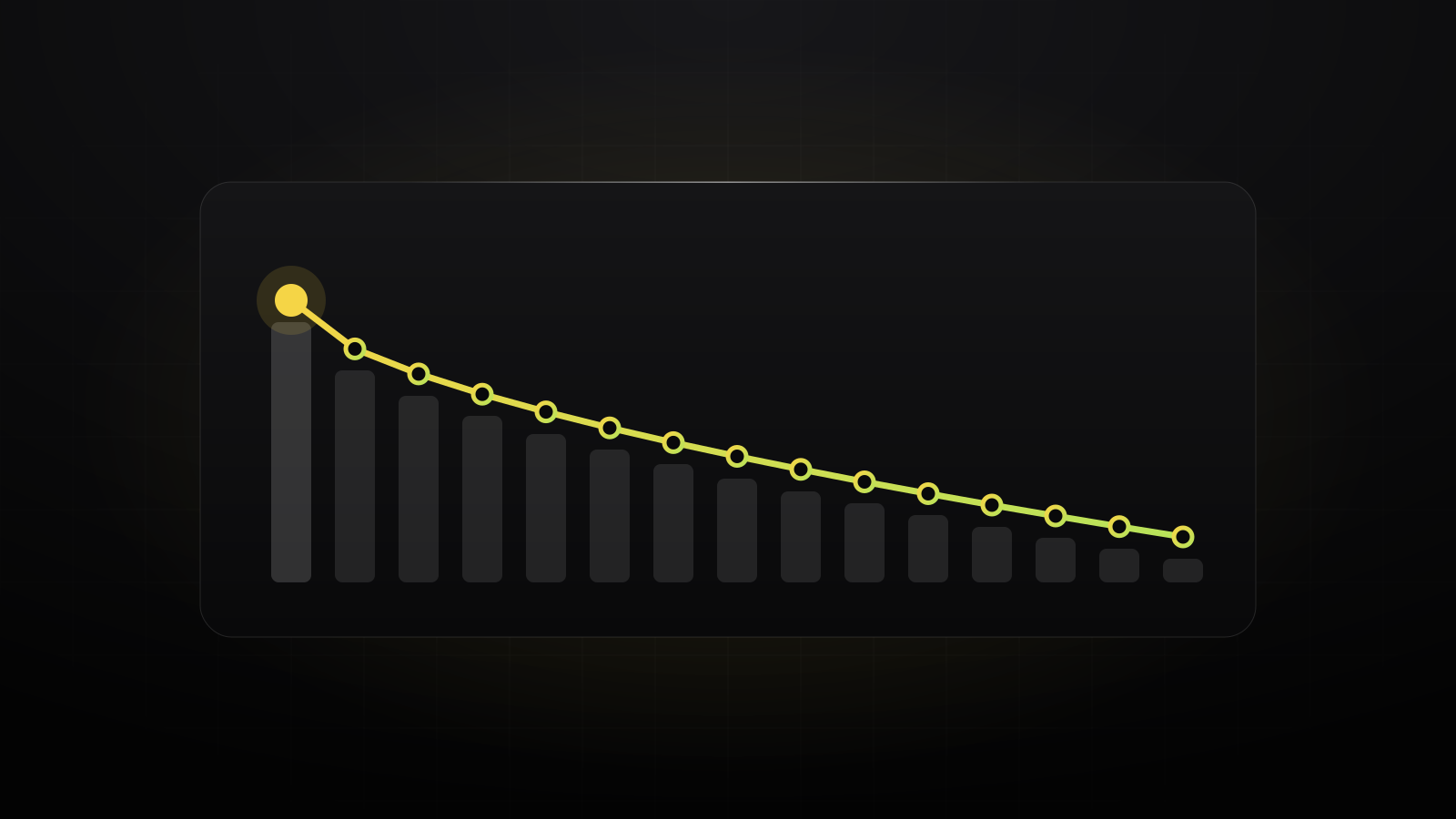
Lining up the price of every month gives you the futures curve, and its shape says a lot about the market:
- Backwardation: near months cost more than later ones. Buyers want oil now, which usually means supply is tight.
- Contango: later months cost more. There’s plenty of oil today, so it pays to store it and sell it later.
The shape also matters for funds that hold futures. In contango, they lose a little each time they sell an expiring contract and buy a pricier one.
Dated Brent vs Brent futures
Dated Brent is the price of real cargoes of North Sea oil loading in the next ten days to a month, assessed every day by the pricing agency Platts. It’s based on a basket of crudes: Brent, Forties, Oseberg, Ekofisk and Troll, plus US WTI Midland since 2023. Futures and physical prices stay close, because traders profit whenever they drift apart.
Brent futures vs WTI futures
WTI futures, the US benchmark, trade on NYMEX and are settled by delivering oil in Cushing, Oklahoma. That difference showed in April 2020: with storage in Cushing almost full, the expiring WTI contract settled at −$37.63 a barrel. Brent, which settles in cash, never went below zero.
Who trades Brent futures
- Hedgers: producers locking in a selling price, and airlines, refiners and shipping firms locking in costs.
- Banks and trading houses, making markets and trading physical oil.
- Funds and speculators, betting on the direction. ICE publishes who holds what every week in its Commitments of Traders report, which many traders watch for crowded positions.
What moves Brent futures
- OPEC+ meetings and decisions on output.
- US inventories: the API report on Tuesdays at 4:30 PM ET and the EIA report on Wednesdays at 10:30 AM ET.
- Monthly outlooks from the International Energy Agency and OPEC.
- Geopolitics and shipping: the Strait of Hormuz, the Red Sea, sanctions on Russia and Iran.
- Demand signals: China’s data, US driving season, global growth.
- The dollar, since oil is priced in it, and weather, from hurricanes to cold winters.
The weekly reports are on our economic calendar.
Ways to get exposure
- Futures through a futures broker. You post margin, a fraction of the contract’s value, so a $1 move makes or loses $1,000 per contract. Exchanges raise margins when the market gets volatile.
- Options on Brent futures, which let you limit your loss to the price you pay.
- Oil ETFs such as BNO, which holds Brent futures and rolls them each month, so it doesn’t track the spot price exactly.
- CFDs through brokers outside the US, with leverage. See how to choose a broker.
Education, not financial advice. Futures use leverage and you can lose more than you put in. See our disclaimer.