LemonTrades
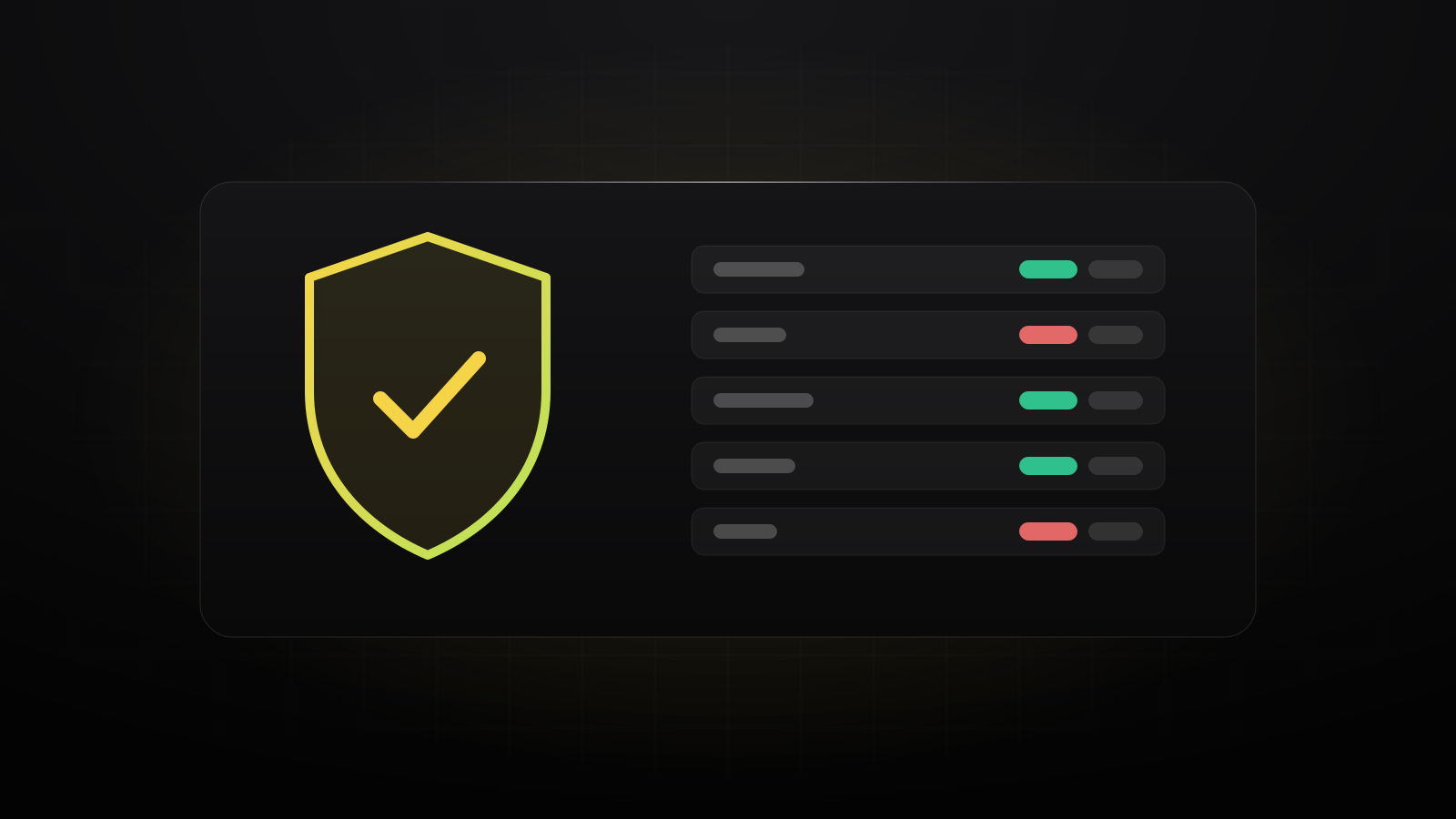
Your broker holds your money and fills every trade you make. Choose one the way you’d choose a bank: safety first, then cost, then features.
What a forex broker does
Retail traders can’t trade directly with the banks that make up the foreign exchange market. A broker gives you prices, a trading platform and leverage, and holds your deposit. Brokers work in one of two ways:
- Market makers (also called dealing desks) take the other side of your trade and earn mostly from the spread.
- Agency brokers (often called STP or ECN) pass your order on to banks and other liquidity providers, and usually charge a commission on top of a tighter spread.
Both can be fine. What matters is that the broker is properly regulated, and that you know how it makes its money.
1. Check the regulation yourself
Regulation decides how much leverage you can use, where your money is held, and what happens if the broker fails.
- United States: forex brokers must be registered with the CFTC and be members of the NFA. You can look any firm up in the NFA’s free BASIC database. Retail leverage is capped at 50:1 on major currency pairs and 20:1 on others, and hedging (holding a buy and a sell on the same pair) isn’t allowed.
- United Kingdom: the FCA. Leverage is capped at 30:1 on major pairs, you can’t lose more than your deposit (negative balance protection), and the FSCS covers up to £85,000 if a firm fails.
- European Union: national regulators such as CySEC (Cyprus) or BaFin (Germany), all under the same EU limits: 30:1 on majors and 20:1 on other pairs and gold. Cyprus’s compensation fund covers up to €20,000.
- Australia: ASIC, with limits much like the EU’s since 2021.
- Japan: the FSA, with leverage capped at 25:1.
Be careful with brokers registered only offshore. Some places register companies but don’t regulate forex at all: the financial regulator of St. Vincent and the Grenadines, for example, says it doesn’t license forex brokers. That means no leverage limits, no compensation scheme and little help if things go wrong.
Always check the regulator’s own register, not the broker’s website, and match the exact company name and number. Regulators regularly warn about “clone firms” that copy the details of real, licensed companies.
2. Know how your money is protected
- Segregated accounts: your money is kept apart from the broker’s own, so it can’t be used to pay its debts.
- Negative balance protection: a sudden move can’t leave you owing more than you deposited (standard for retail clients in the UK, EU and Australia).
- Margin close-out: in the UK and EU, positions are closed automatically before your account goes to zero.
- Compensation schemes: cover part of your money if a regulated firm goes bust.
3. Work out what trading really costs
The advertised spread is only part of it. Add up:
- The spread: the gap between the buy and sell price, in pips.
- Commission: charged per trade by many agency brokers.
- Swap or rollover: a charge (or credit) for holding a position overnight, based on interest rates.
- Other fees: currency conversion, deposits, withdrawals and inactivity.
Compare the all-in cost on the same trade. On EUR/USD, one pip on a standard lot (100,000 euros) is worth $10. A 1.2-pip spread with no commission costs $12 for a round trip. A 0.1-pip spread with a $7 round-trip commission costs $8.
Then check spreads at the moments that matter, not just the “from 0.0 pips” on the homepage. Spreads widen around big releases like the US jobs report and CPI, and at the daily rollover around 5:00 PM ET.
4. Test the execution
Slippage (getting a worse price than you clicked), requotes and stop orders that fill far from where you set them all cost money. Ask for the broker’s execution statistics, read what other traders say about news days, and check which order types you get: stops, limits, trailing stops and one-cancels-the-other orders.
5. Choose a platform you’ll actually use
Most brokers offer MetaTrader 4 or 5, cTrader, their own app, or trading from TradingView charts. Try the demo account on your phone as well as your computer: you’ll often need to manage a trade on the move.
6. Test deposits and withdrawals early
Check the payment methods, fees and how long withdrawals take. Then make a small deposit and withdraw some of it before you fund the account properly. A broker that makes withdrawals hard is telling you something.
Red flags
- Promises of guaranteed or “risk-free” returns.
- Pressure to deposit more, or an “account manager” who wants to trade for you.
- Deposit bonuses (banned for retail clients in the UK and EU, so offering them is a sign the broker is outside those rules).
- Withdrawals that are delayed, blocked or tied to “trading volume” conditions.
- Crypto-only deposits, or a broker you found through a WhatsApp or Telegram “signals” group.
- No license you can confirm on a regulator’s website.
A quick checklist
- Licensed by a strong regulator, confirmed on the regulator’s own register.
- Client money segregated, with negative balance protection if you’re outside the US.
- All-in costs compared on the pairs you trade, including during news.
- A platform you’ve tried on a demo account.
- A small withdrawal tested before you deposit more.
Whichever broker you choose
Every broker gives you prices. None of them tells you why the price just moved. That’s what LemonTrades is for: it works alongside any broker, and never touches your money or your trades.
Education, not financial advice. We don’t recommend or get paid by any broker. Trading forex with leverage is risky, and most retail traders lose money. See our disclaimer.