LemonTrades
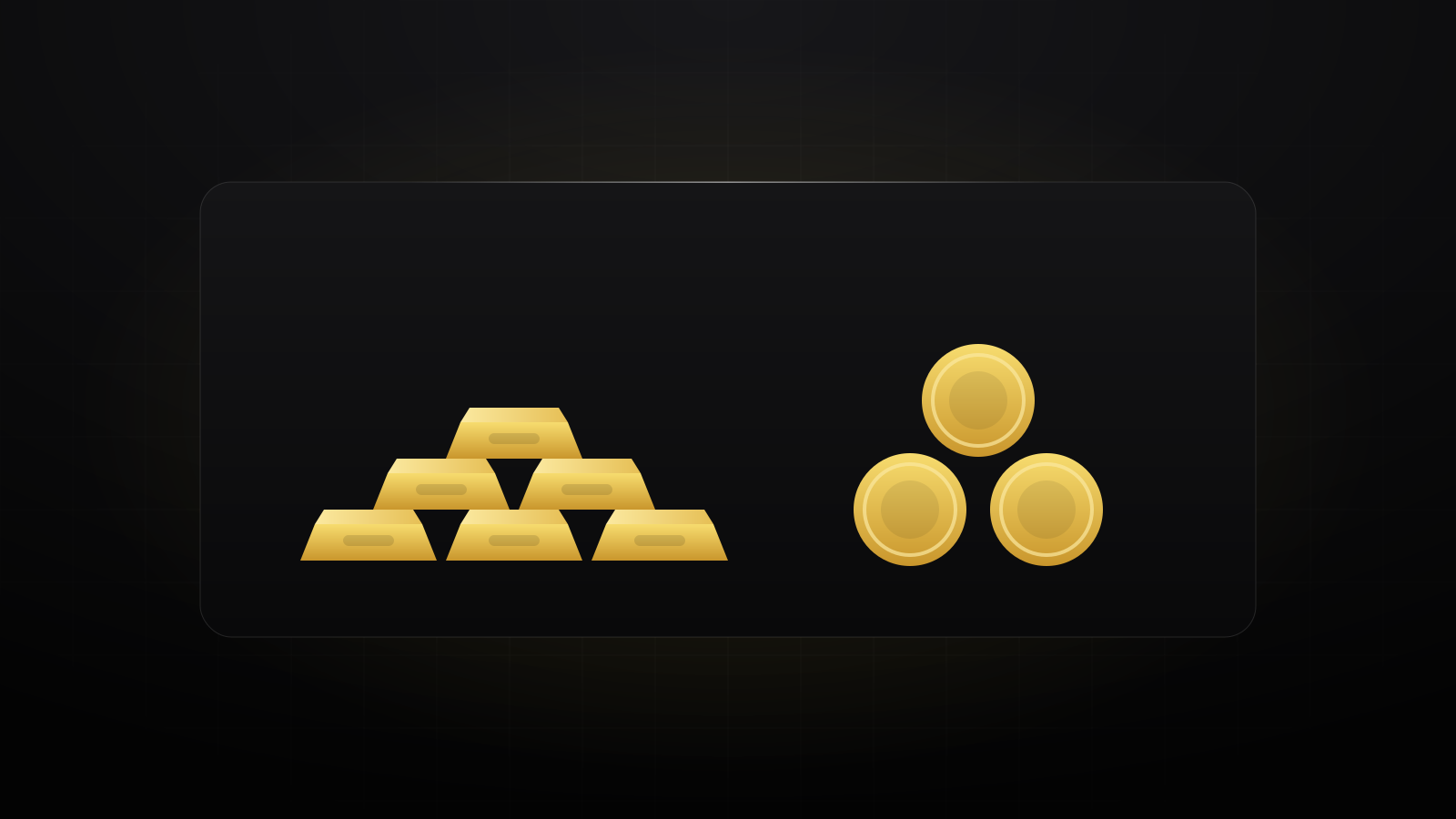
Gold bullion is gold you buy for the metal, not for its design or rarity. It’s the most direct way to own gold, and the easiest to overpay for. Here’s how to do it well.
What is gold bullion?
Bullion is gold in bars or coins, valued by its weight and purity. Purity is written as fineness: .999 (“three nines”) or .9999 (“four nines”, 99.99% gold). Some well-known coins are 22 karat, 91.67% gold mixed with a little copper and silver to make them harder to scratch, but they still contain a full ounce of gold.
Rare and collectible coins are different. Their price depends on rarity and condition, not just gold, and they usually cost far more than their gold is worth.
Gold bars
- Sizes: from 1 gram to 1 kilo for individuals. The 400-ounce “Good Delivery” bars that central banks hold (between 350 and 430 ounces each) are traded between banks, not sold to the public.
- Cast or minted: cast bars are poured into molds and usually cost a little less. Minted bars are cut and stamped, and often come sealed in a card with an assay certificate and a serial number.
- Who made it: stick to bars from refiners accredited by the LBMA, the London market’s standards body, such as PAMP, Valcambi, the Perth Mint or the Royal Canadian Mint. They’re the easiest to sell later.
Gold bullion coins
- American Gold Eagle: 22 karat, 1 ounce of gold, from the US Mint since 1986.
- American Gold Buffalo: 24 karat (.9999), since 2006.
- Canadian Gold Maple Leaf: .9999.
- South African Krugerrand: 22 karat. First made in 1967, it was the first modern bullion coin.
- British Britannia and Austrian Philharmonic: both .9999.
Coins carry a face value, like $50 on a 1-ounce Gold Eagle, but that’s far below the value of their gold. They cost a little more per ounce than bars, and they’re easier to sell in small amounts because every dealer knows them.
What you’ll really pay
You pay the spot price plus a premium. The premium covers making, shipping and selling the coin or bar, and the dealer’s margin. As a rough guide:
- The bigger the piece, the lower the premium per ounce. 1-ounce bars and popular coins are often a few percent over spot.
- Small pieces cost much more: a 1-gram bar can be 10% or more over spot.
- Premiums rise when lots of people buy at once, as they did in 2020.
For example, with spot at $4,000 an ounce, a 1-ounce coin at a 4% premium costs $4,160. When you sell, dealers usually pay at or a little under spot. So the gold price has to rise by the premium plus that gap before you’re ahead.
To check what any piece is worth in gold, multiply its weight by its purity and the spot price. Our gold value calculator does it with the live price.
Where to buy
- Established dealers, online or local. Look for years in business, clear prices shown against spot, and a published buyback price.
- Compare the total: premium, shipping, insurance and card fees. Paying by bank transfer is often cheaper.
- Be wary of TV and radio ads for “limited edition” coins, cold calls, and sales pitches that push gold into a retirement account and then steer you to collectible coins with large markups. US regulators have warned about precious metals fraud of this kind.
Where to keep it
- At home: free, but a theft risk. Many home insurance policies cap cover for precious metals unless you add it.
- A bank safe deposit box: safer, but the contents aren’t covered by FDIC insurance.
- A private vault: insured and audited storage for a yearly fee. Choose “allocated” storage, where specific bars are held in your name.
Keep the receipts and original packaging. Sealed bars with their assay cards sell more easily.
How to sell gold coins and bars for the best price
- Know the melt value at today’s spot price before you call anyone.
- Get quotes from two or three dealers. Ask for their buy price per ounce, not a lump sum.
- Well-known coins and sealed bars from known refiners get the best prices.
- Pawn shops and “cash for gold” buyers usually pay the least.
In the US, gold bullion is a collectible for tax purposes: long-term gains are taxed at up to 28%. Dealers also have to report some large sales to the IRS. Check with a tax professional.
How to avoid fakes
- Buy from reputable sources. A deal well below spot is a warning sign, not a bargain.
- Check weight and size against the mint’s published specs with a scale and calipers.
- A magnet only catches crude fakes. Gold isn’t magnetic, but neither is tungsten, which weighs almost exactly the same as gold and is used in better fakes. Dealers test with X-ray (XRF) or ultrasonic machines.
Bullion or a gold ETF?
Bullion means you hold the gold yourself, with no yearly fee, but you pay premiums and storage. A gold ETF is cheaper to buy and sell and needs no vault, but you own fund shares, not the metal. Many people hold some of each. See how gold ETFs work.
Education, not financial advice. Gold prices go down as well as up. See our disclaimer.