LemonTrades
TL;DR
- Bonds pay income; gold pays none, but it can’t default and has held up through inflation.
- In 2008 and 2020 both helped; in 2022, rising rates hit bonds hard while gold held up far better.
- Many investors hold some of each.
- LemonTrades warns you before the Fed, CPI and jobs reports that move gold and yields, then tells you what they mean.
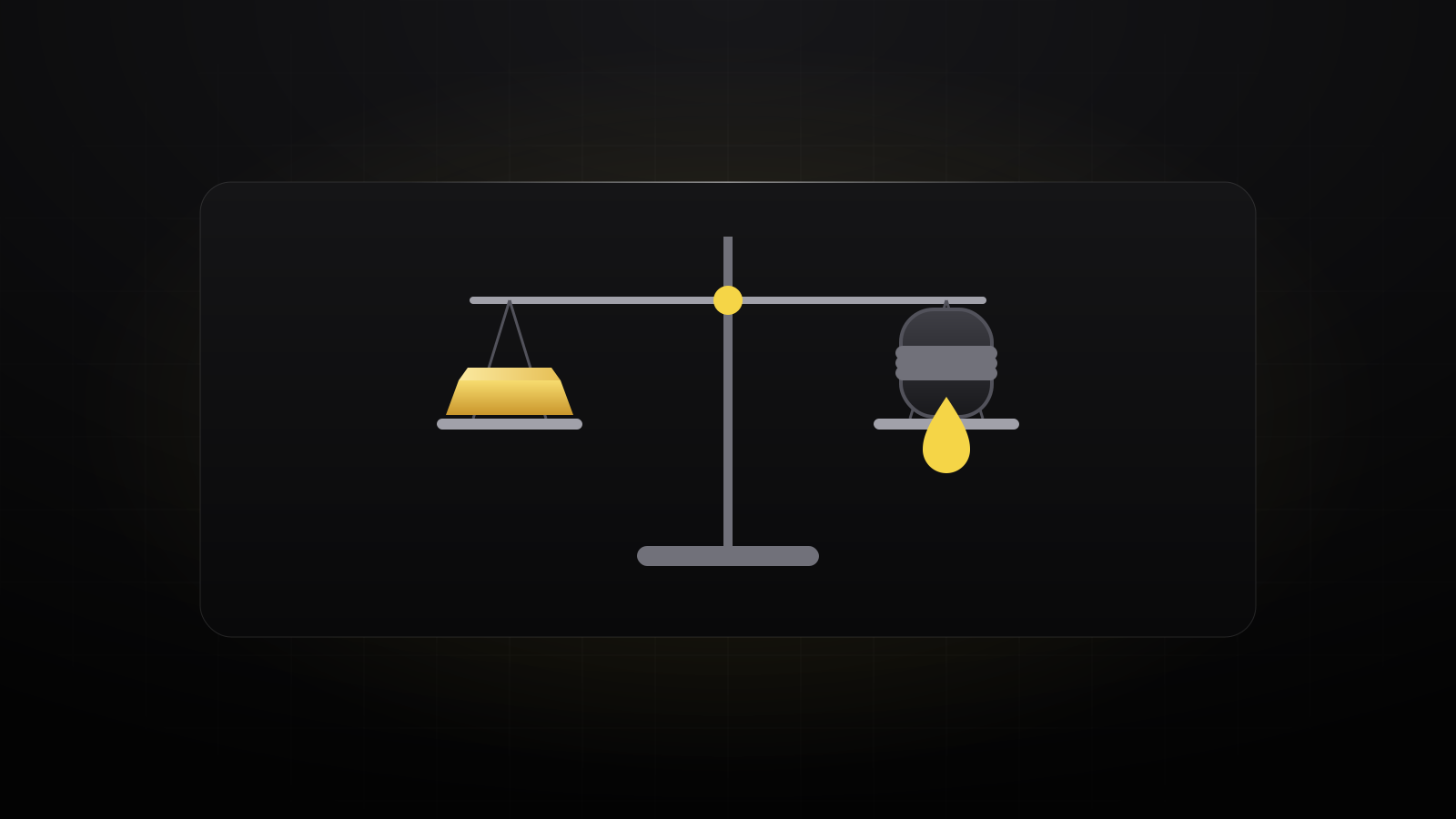
Gold and government bonds are the two classic places to hide when stocks fall. They don’t behave the same way, though, and 2022 showed how differently they can react to rising rates.
Income: bonds pay, gold doesn’t
A bond pays interest; gold pays nothing. That’s the heart of the comparison. When bond yields are high, especially after inflation (real yields), holding gold costs you that income, and gold usually struggles. When real yields fall, gold looks better.
Inflation
Inflation erodes a regular bond’s fixed payments. Gold has often held its value through inflationary decades, as in the 1970s. In the US, inflation-protected Treasuries (TIPS) are the bond answer to inflation.
Crashes and crises
- 2008: both helped. Treasuries rallied as rates were cut, and gold rose after an early dip.
- 2020: both rose in the pandemic scramble for safety.
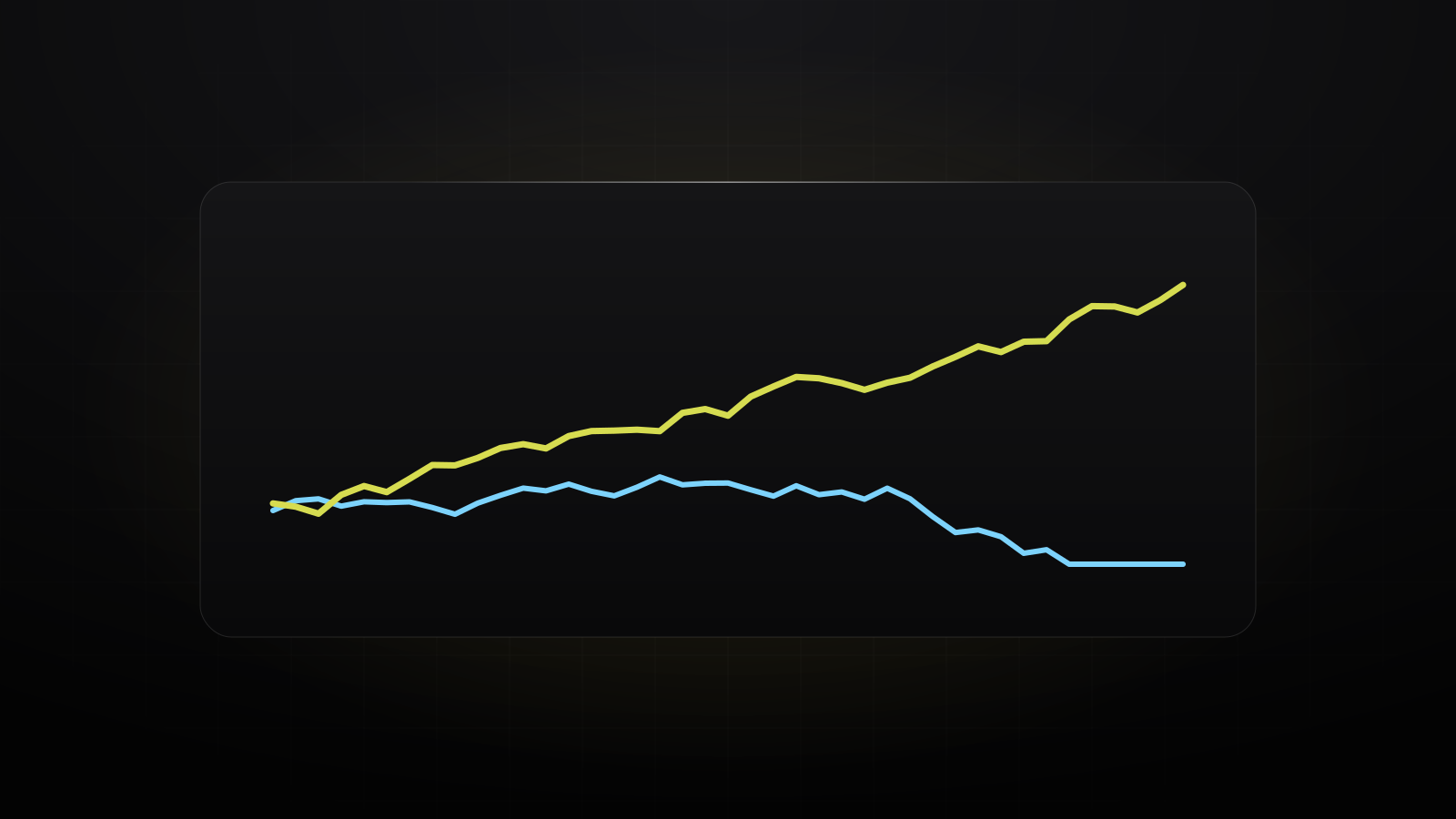
- 2022: the big difference. As the Fed raised rates fast, long-term Treasuries fell by about a third, one of their worst years ever, while gold ended the year roughly flat.
Interest rates hit both, differently
Rising rates push bond prices down directly, and long bonds most of all. They hurt gold indirectly, by raising the income you give up to hold it. So rate shocks usually hurt both, but bonds take the direct hit.
Why investors hold some of each
Bonds provide income and usually rally when the economy slows and rates are cut. Gold has no income but no issuer either, so it can’t default, and it has done well when inflation, debt worries or geopolitics dominate. Together they cover more scenarios than either alone.
Comparing gold with stocks instead? See the gold vs S&P 500 chart and the Dow/gold ratio.
Education, not financial advice. Past performance doesn’t predict future returns. See our disclaimer.