LemonTrades
TL;DR
- The FOMC meets eight times a year. The decision comes at 2:00 PM ET and the press conference at 2:30. The next decision is December 9, with new projections.
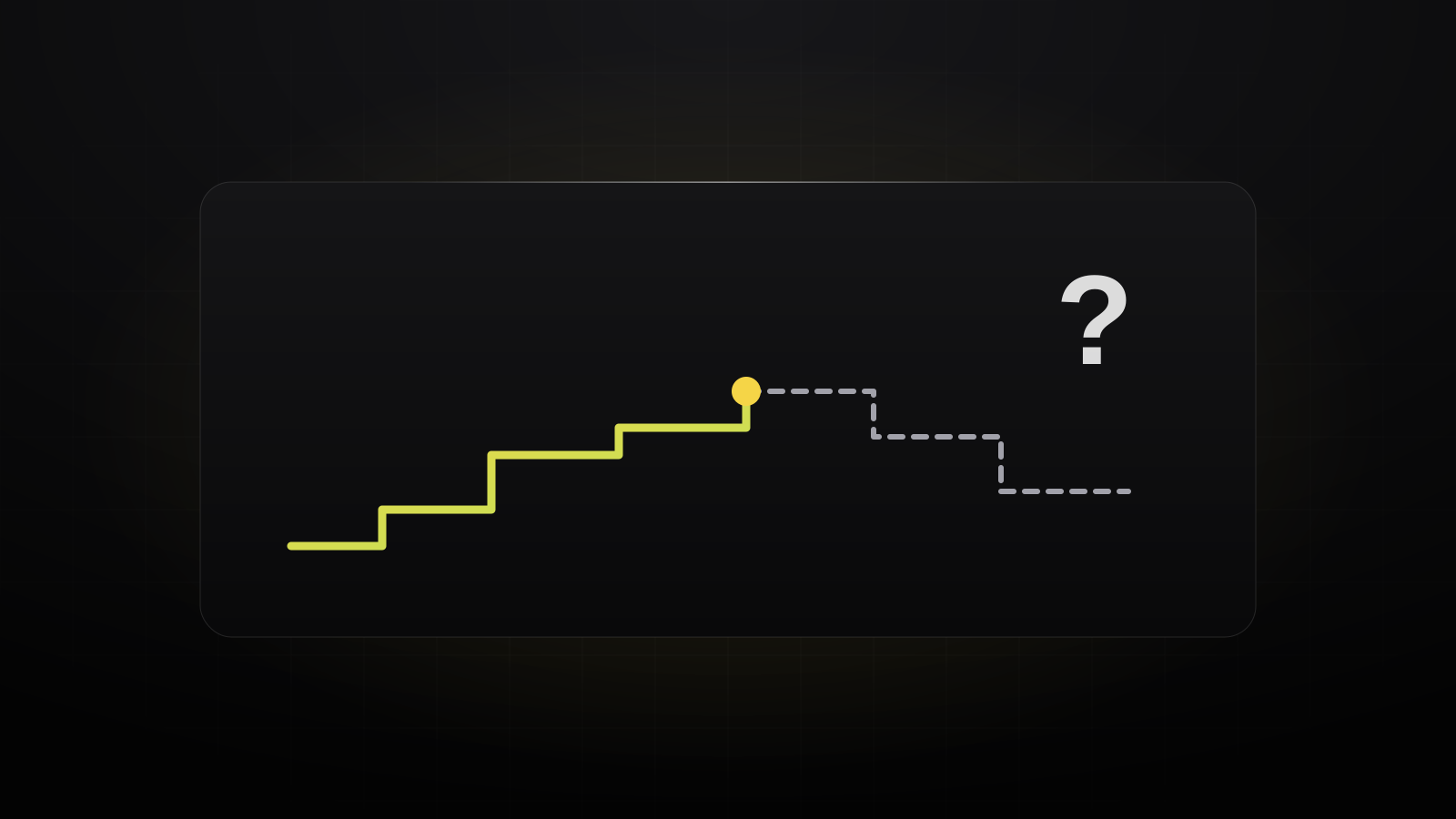
- The decision is usually expected already. Markets move on the surprise: the wording, the projections and what the Fed chair says.
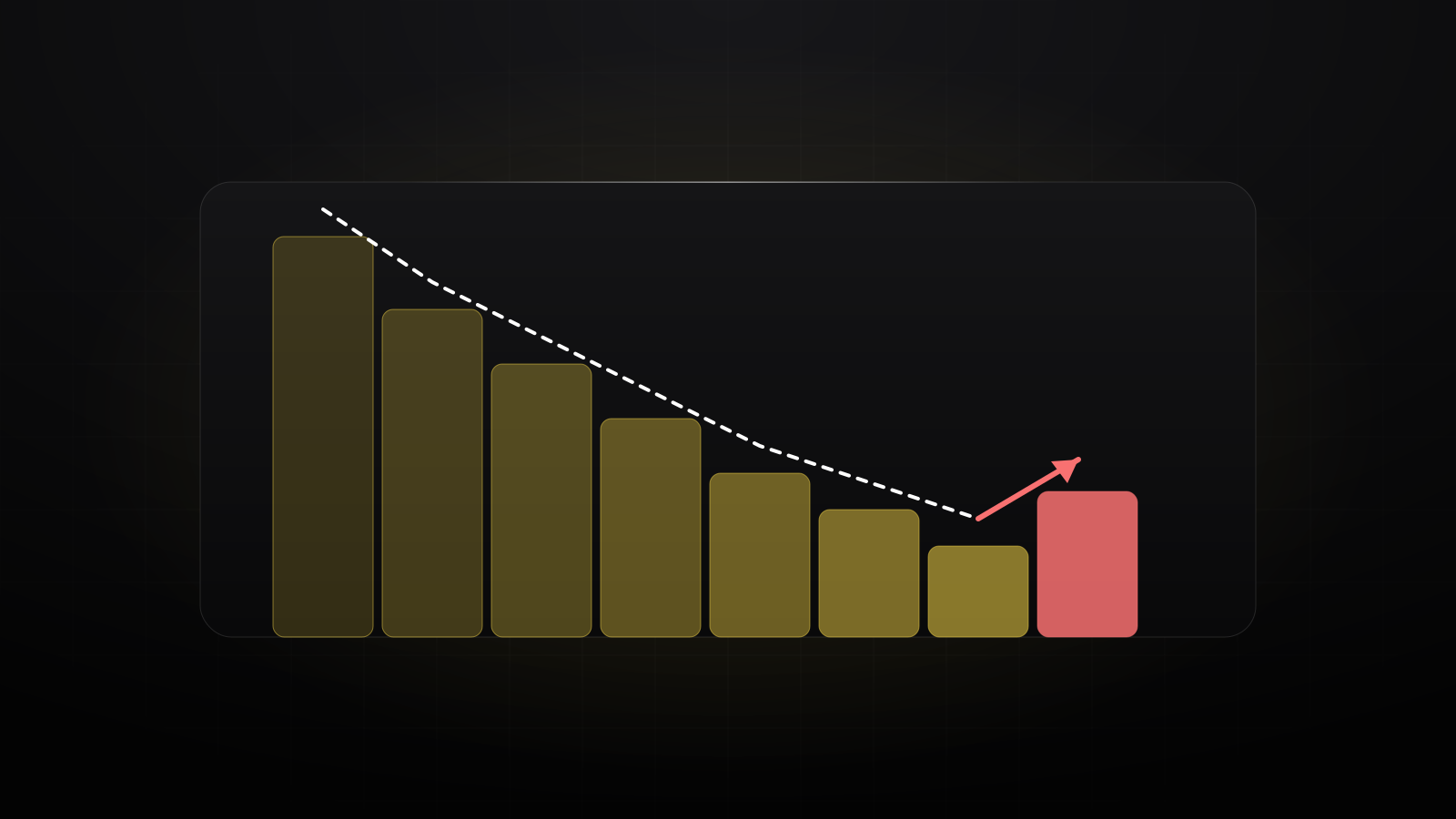
- As of November 6, gold typically moved about 0.93% in the 30 to 60 minutes after the last six decisions, rising only once, and S&P 500 futures 0.33%.
- The first move can reverse when the press conference starts, so many traders wait for it.
- LemonTrades warns you 15 minutes before, and gives you the result and what it means about a minute after.
A Fed decision can reset every market at once. It’s also the release most likely to fool you twice in one hour.
What markets did after the last six Fed decisions
Loading the last six decisions…
“Typical move” is the average size of the move, up or down. The figures come from our own price log, and six decisions is a small sample: use them to size your risk, not to guess the direction. The two newest windows end at 2:30 PM, just as the press conference starts; the four older ones run an hour, so they include the start of it.
As of November 6, gold, EUR/USD and S&P 500 futures went the same way after all six decisions, and that way was down five times out of six. Inflation was the worry for most of that stretch, and the Fed raised rates in September.
What is FOMC in trading?
The Federal Open Market Committee is the group inside the Federal Reserve that sets US interest rates. It votes on the federal funds rate, now 3.75% to 4.00%, and that rate feeds into yields, the dollar, stocks and gold. In trading, “FOMC day” means the day it announces its decision.
The moments that matter
| When (ET) | What comes out | What traders read |
|---|---|---|
| 2:00 PM | The decision and the statement | The rate, changes in the wording, and who voted against |
| 2:00 PM, four times a year | Projections, including the “dot plot” | Where officials expect rates to go. Comes with the March, June, September and December meetings |
| 2:30 PM | The press conference | The chair’s answers, which can bring the biggest move of the day |
| Three weeks later | The minutes | A fuller account of the debate |
Projection days have moved gold more. In the table above, gold’s average move was about 1.25% after the three decisions with projections, against about 0.62% after the three without. It’s a small sample, but December’s meeting has projections.
Trade the surprise, not the decision
By the day itself, markets have usually priced in the decision. Check what’s expected on CME’s FedWatch tool, and watch the 2-year Treasury yield, which is highly sensitive to the Fed’s plans.
| If the Fed sounds | Dollar and yields | Gold | Stocks |
|---|---|---|---|
| More hawkish than expected: higher rates for longer | Usually up | Usually down | Usually down |
| More dovish than expected: cuts sooner or hikes less likely | Usually down | Usually up | Usually up |
Three recent examples
- October 28, a hold that was expected: rates stayed at 3.75% to 4.00%, with two of the 12 voters wanting a hike. In the first 30 minutes gold fell just 0.10% and S&P 500 futures 0.04%: when a decision is fully priced in, the first half hour can be quiet.
- September 16, a hike: the Fed raised rates to 3.75% to 4.00%. In the first 30 minutes gold fell 0.80%, and USD/JPY rose 0.33%.
- June 17, with projections: the biggest move in the table. In the hour after 2:00 PM, gold fell 2.18% and S&P 500 futures 0.63%.
A plan for decision day
| When (ET) | What to do |
|---|---|
| The day before | Check what’s priced in. Mark your key levels. Decide which approach you’ll use. |
| Morning | Trading is often quiet before the decision. Don’t read too much into it. |
| 1:45 PM | Close or cut anything you don’t want to hold through the decision, and cancel resting orders that a spike could trigger by accident. |
| 2:00 PM | Don’t chase the first seconds. Read the rate, the wording and, if there are projections, the dots. |
| 2:30 PM | Listen to the press conference. This is where the first move can reverse. |
| After about 3:00 PM | Trade only if the price holds beyond a level you marked, with a stop based on the size of the move. |
| Afterward | Write down what happened and what you did. |
Three ways to approach it
- Stand aside. Be flat at 2:00 and come back after the press conference. This is the sensible default.
- Reduce. Hold a smaller position, with room for the typical move in the table above.
- Trade the reaction. Wait for the press conference to start, then trade what holds.
Try your plan first in the trade simulator.
Common mistakes
- Trading the 2:00 PM move and getting caught when the press conference reverses it.
- Treating a decision everyone expected as a surprise.
- Reading one line of the statement without comparing it with the last one.
- Assuming a stop will fill at its price. In a spike it can fill well past it.
How LemonTrades helps
- A heads-up 15 minutes before every Fed decision, so it never catches you in a trade by surprise.
- The result about a minute after, against the forecast, with which way it pushes each of your markets and why.
- An optional squawk that reads alerts aloud on the website, so you can keep your eyes on the chart.
- Keyword alerts: up to 10 words of your own, matched in every new headline.
- The week ahead and a morning brief, with each market’s bias and key levels.
The dates: when the next Fed meeting is. The last decision: did the Fed cut rates. Background: what a Fed rate cut does and when interest rates will go down. The other big two: how to trade NFP and how to trade CPI.
Sources
- Federal Reserve: FOMC calendars and statements
- Federal Reserve: About the FOMC
- CME Group: FedWatch tool
- LemonTrades: price moves after the last six Fed decisions
Education, not financial advice. Trading around big releases is risky and you can lose money quickly. Past moves don’t predict future ones. See our disclaimer.