LemonTrades
TL;DR
- A Fed rate cut lowers the overnight rate banks charge each other, which pulls down rates on savings accounts, credit cards and short-term loans.
- Markets move before the cut: yields, the dollar and gold react as soon as a cut looks likely, often weeks ahead.
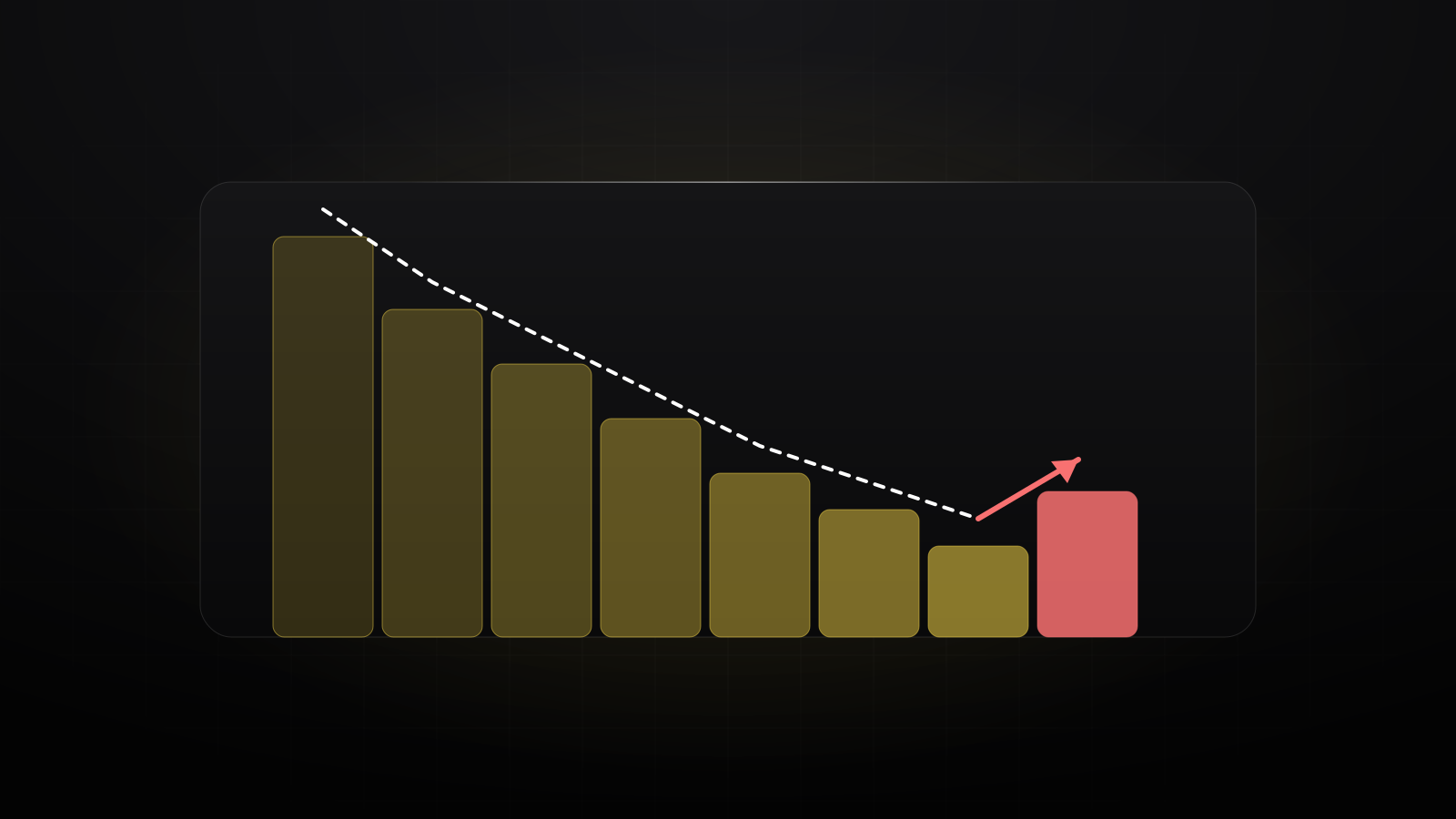
- The Fed cut by 1.75 points from September 2024 to December 2025, then raised rates in September 2026, to 3.75%–4.00%.
- LemonTrades warns you before every Fed decision and tells you what it means for your markets a minute after.
When the Federal Reserve cuts interest rates, it’s trying to make borrowing cheaper and support the economy. The effects spread from banks to bond markets, stocks, the dollar and your savings account, but not all at once, and not always the way people expect.
What a rate cut is
The Fed sets a target range for the federal funds rate, the rate banks charge each other for overnight loans. A cut lowers that range, usually by a quarter point (0.25 percentage points), sometimes by half a point when the Fed wants to act fast, as in September 2024. Banks then lower the prime rate, and through it the rates on credit cards, home equity lines and many business loans.
Why the Fed cuts
The Fed has two goals: stable prices (inflation around 2%) and maximum employment. It cuts when inflation is coming down and it wants to protect jobs, or in a crisis, as in 2008 and March 2020. It raises rates when inflation runs too hot, as it did in 2022 and again in September 2026.
What a cut does to markets and your money
- Treasury yields: short-term yields, like the 2-year, fall with expected cuts. Long-term yields, like the 10-year, can fall or even rise, if investors think cuts will stoke inflation.
- Stocks: lower rates usually help, especially tech and small companies. But a cut made in a panic, because the economy is weakening fast, can come with falling stocks.
- The dollar: lower US rates make dollars less attractive to hold, so the dollar tends to weaken.
- Gold: gold pays no interest, so lower rates make it cheaper to hold, and a weaker dollar helps too. See why gold goes up.
- Mortgages: 30-year mortgage rates follow the 10-year yield more than the Fed, so they don’t always fall when the Fed cuts.
- Savings and CDs: savings rates and new CD rates drift down within weeks. Locking in a CD before expected cuts keeps the higher rate.
- Crypto: bitcoin has tended to do better when money is cheap, but it moves on its own news too.
Why markets move before the cut
Traders bet on the Fed’s next moves months ahead, using futures on the fed funds rate. By the time a cut is announced, it’s usually already in prices, so the decision itself can move markets less than the signals around it: the statement’s wording, the chair’s press conference, and the “dot plot” of where officials expect rates to go. A cut that was fully expected can even be followed by a fall in gold or stocks, if the Fed hints there won’t be more. Traders call it “buy the rumor, sell the news.”
The 2024–2026 cycle
- September 2024: a half-point cut, the first since 2020, from 5.25%–5.50%.
- November and December 2024: two quarter-point cuts, to 4.25%–4.50%.
- 2025: on hold until September, then three quarter-point cuts, to 3.50%–3.75% in December.
- 2026: on hold through July, then a quarter-point hike in September, to 3.75%–4.00%, as inflation stayed above 2%.
Every decision is listed on did the Fed cut rates?
How to follow a Fed decision
- Know the date: eight meetings a year, with the decision at 2:00 PM ET. See the economic calendar.
- Watch the data that decides it: CPI (what is CPI in trading) and the jobs report.
- At 2:00 PM, read the rate decision and the vote; at 2:30 PM, the chair’s tone.
- Check how yields, the dollar and gold react in the first hour: that tells you whether the decision surprised.
Sources
- Federal Reserve: FOMC meeting calendars and statements
- CNBC: Fed raises rates to 3.75%–4%, September 2026
Education, not financial advice. See our disclaimer.