LemonTrades
TL;DR
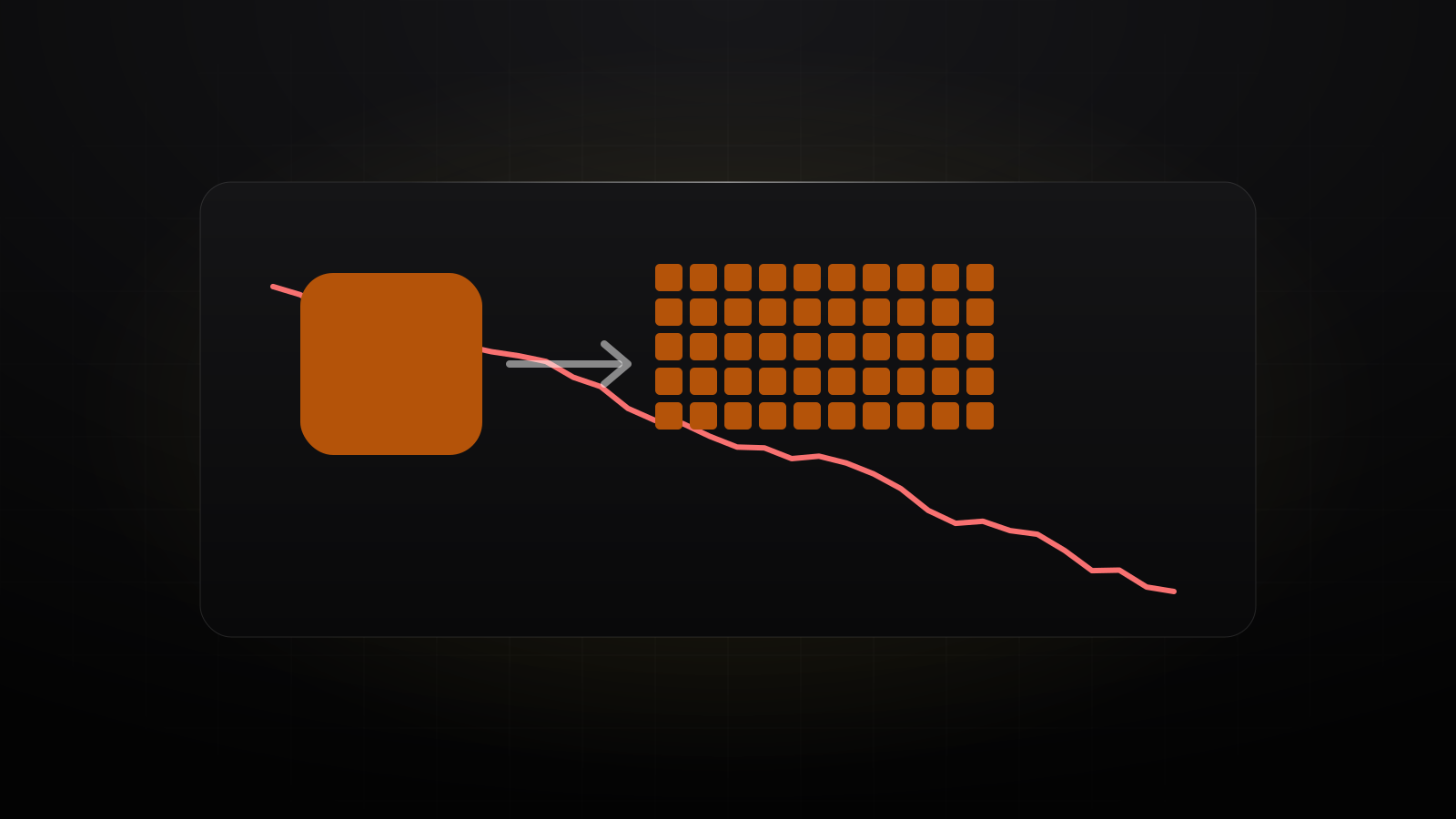
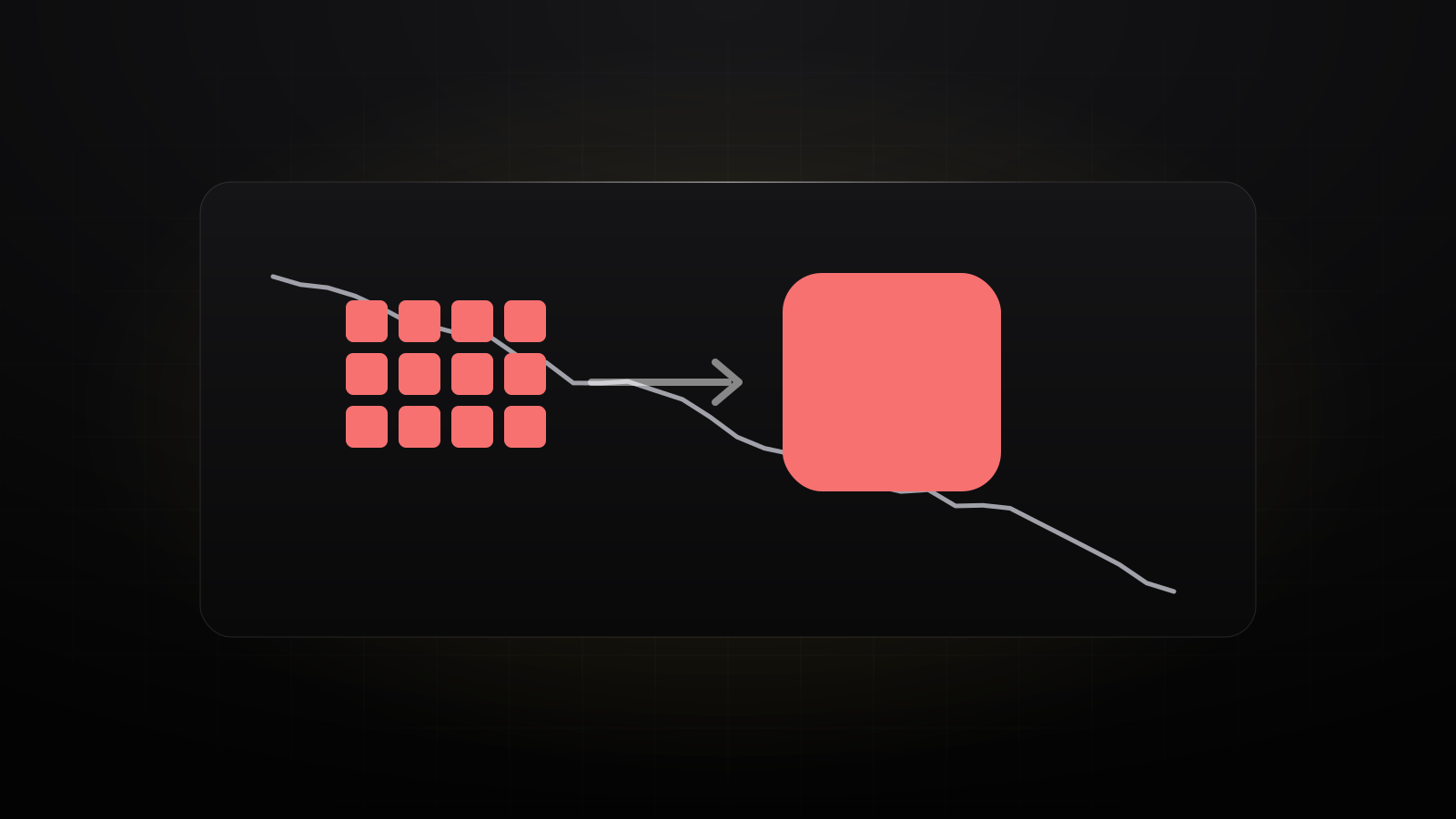
- A reverse split merges shares: in a 1-for-10 split, every 10 shares become 1, and the price rises tenfold. What you own is worth the same.
- Companies do it to lift a low share price, usually to stay listed (exchanges require at least $1) or to look less like a penny stock.
- It often signals trouble, and stocks have often kept falling afterward. Lucid’s 1-for-10 split in 2025 is a recent example.
- LemonTrades tells you what moved the stocks you follow, and why, as it happens.
A regular split cuts the share price. A reverse split does the opposite. Here’s how it works, and what it tends to mean.
How a reverse stock split works
| Before a 1-for-10 reverse split | After | |
|---|---|---|
| Your shares | 1,000 | 100 |
| Price per share | $2.00 | $20.00 |
| Value of your holding | $2,000 | $2,000 |
If your share count doesn’t divide evenly, the company usually pays cash for the leftover fraction. The ticker usually stays the same, though a new CUSIP number is issued.
Why companies do reverse splits
- To stay listed: the Nasdaq and NYSE require a share price of at least $1. After 30 business days below it, a company gets a warning and usually 180 days to fix it; a reverse split is the quick fix.
- To shed the penny-stock look: some funds won’t buy stocks under $5, and many brokers limit margin on them.
- Before a deal or a share sale, to make the stock easier to trade.
A real example: Lucid in 2025
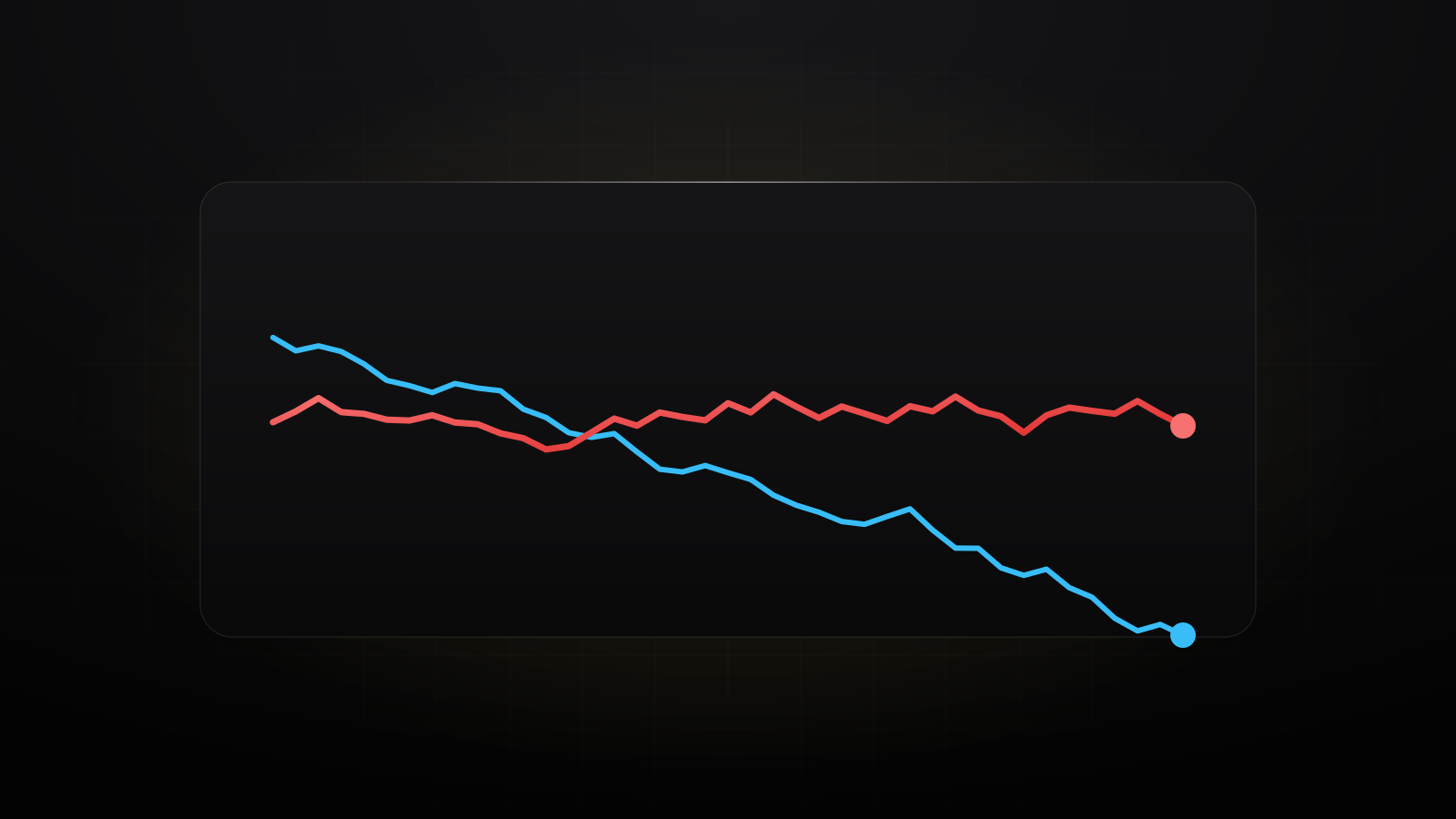
The electric car maker’s shares had fallen to around $2. Lucid did a 1-for-10 reverse split that took effect after the close on August 29, 2025, and the stock began trading near $20 on September 2. It kept falling after. Lucid against Tesla: Tesla vs Lucid stock.
Other well-known reverse splits
- AIG, 1-for-20 in 2009, after its government rescue.
- Citigroup, 1-for-10 in 2011, after the financial crisis pushed its stock near $4.
- General Electric, 1-for-8 in 2021, before it split into three companies.
What happens to the stock after?
The split itself changes nothing about the business, but it often comes from a company that’s struggling, and the stock frequently keeps falling. It isn’t always bad news: GE’s came before a strong run in GE Aerospace. The question is whether the business recovers. For the opposite kind of split, see Nvidia’s splits and Chipotle’s 50-for-1.
Sources
Education, not financial advice. See our disclaimer.