LemonTrades
TL;DR
- Yes: gold is mined, graded and traded on commodity exchanges like COMEX, and US regulators treat it as a commodity.
- But almost none of it gets used up and central banks hold it as money, so it trades more like a currency.
- The IRS taxes physical gold and gold ETFs as collectibles; futures get 60/40 treatment.
- Follow gold on LemonTrades and the desk tells you what moved it, and why, within seconds: breaking news, sharp moves with the likely cause, and a morning brief.
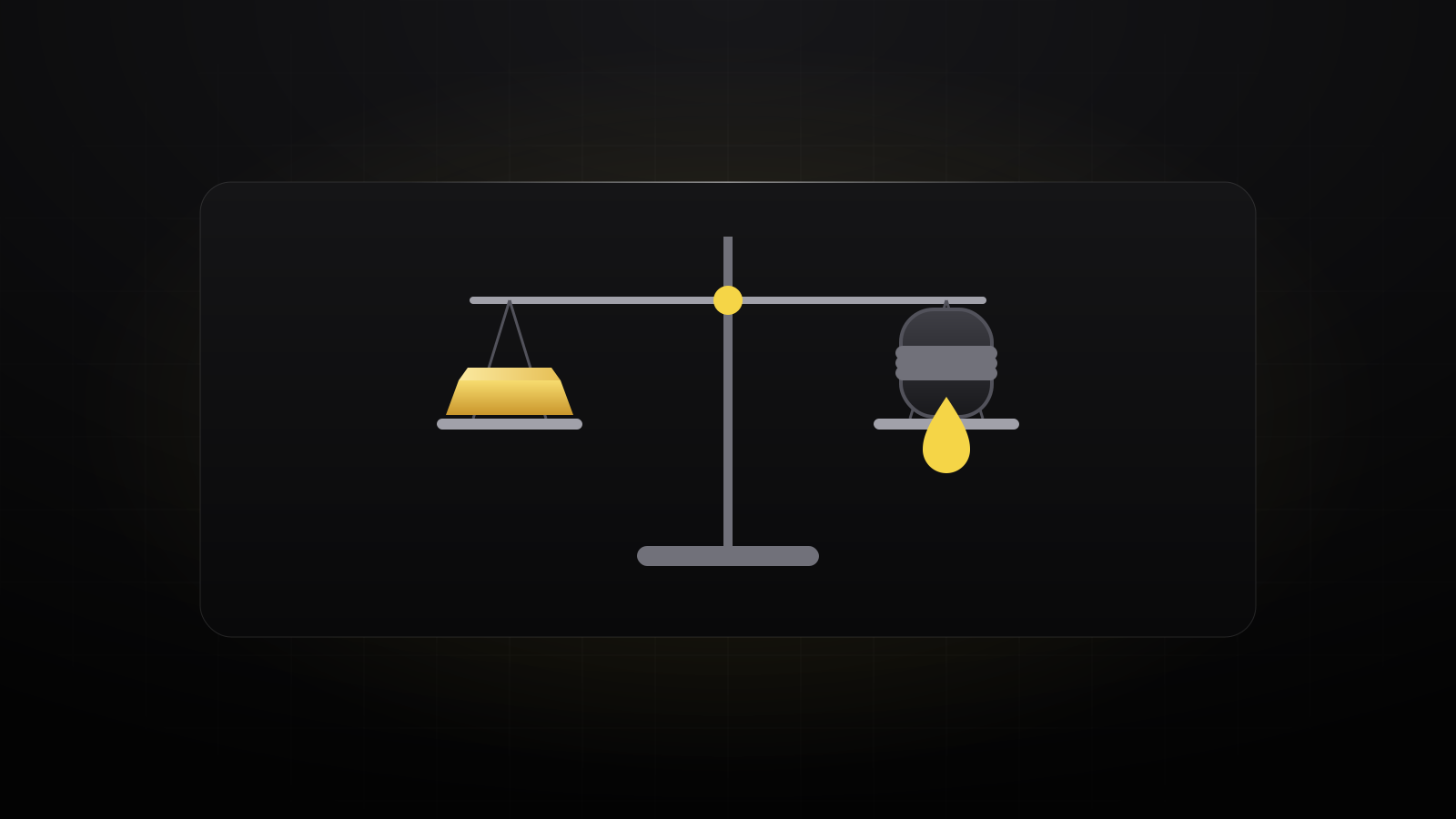
Gold is a commodity: a raw material, mined, refined and traded in standard units on exchanges. But unlike oil or wheat, almost nobody uses it up. That makes gold half commodity, half money.
Why gold is a commodity
- It’s a raw material, mined from the ground, with standard grades (like .999 fine) that make one ounce interchangeable with another.
- It trades on commodity exchanges: COMEX in New York, the Shanghai Futures Exchange, and the London over-the-counter market, the biggest of all.
- US regulators treat it as one: gold futures are overseen by the Commodity Futures Trading Commission, like oil and corn.
- It has industrial uses, in electronics and dentistry, though they’re a small part of demand.
Why gold is also more than a commodity
- It isn’t used up. Almost all the gold ever mined, over 200,000 tonnes, still exists, as jewelry, bars, coins and central bank reserves. Each year’s mining adds only about 1–2%.
- Central banks hold it as money. It sits in national reserves next to dollars and euros, and central banks bought more than 1,000 tonnes a year from 2022 to 2024.
- Demand comes from saving, not consuming: jewelry, bars, coins and ETFs account for most of it.
What that means for its price
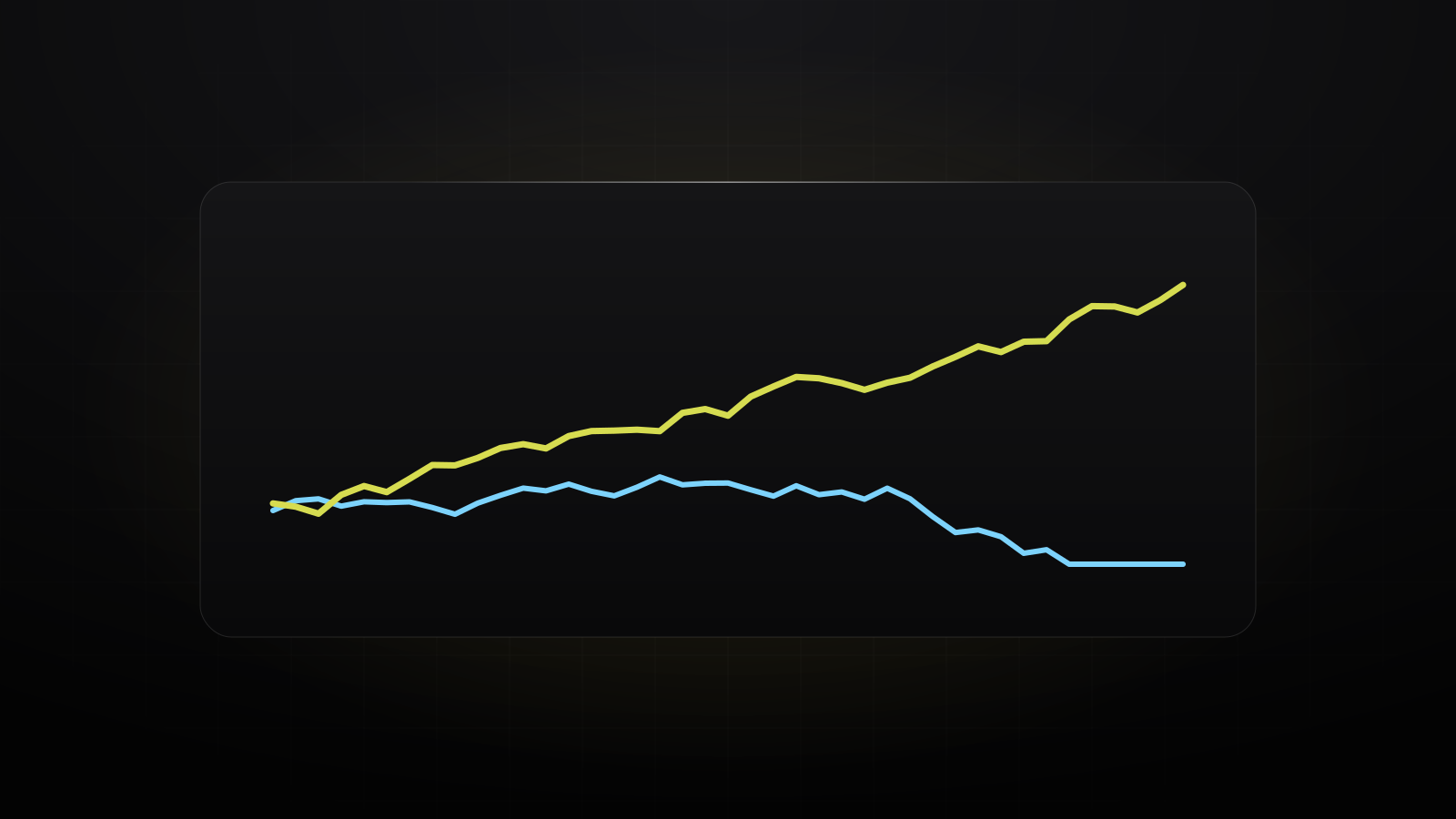
Most commodities move on supply and demand for their use: oil on driving and factories, copper on construction. Gold moves mostly like a currency: on interest rates, the dollar, inflation fears and safe-haven demand. That’s why gold can rise in a recession, when most commodities fall. See what moves gold.
Commodity, collectible or currency? It depends who’s asking
- Exchanges and the CFTC: a commodity.
- The IRS: physical gold and physically backed gold ETFs are taxed as collectibles, at up to 28% for long-term gains; gold futures get the futures “60/40” treatment.
- Forex brokers: a currency, quoted as XAU/USD. See XAUUSD meaning.
How to invest in gold as a commodity
- Futures, the classic commodity route: see gold futures prices.
- Gold ETFs that hold bars: see the best gold ETFs.
- Physical bars and coins: see gold bullion.
- Broad commodity funds, which usually hold a little gold among energy, metals and farm goods.
Education, not financial or tax advice. See our disclaimer.