LemonTrades
TL;DR
- Five strategies traders keep coming back to for gold: trend following, breakouts, news trading, range trading and macro swings.
- Whatever the strategy, size each trade from the stop and risk a small, fixed share of your account, often 1%.
- Test the rules in the free trade simulator before using real money.
- Follow gold on LemonTrades and the desk tells you what moved it, and why, within seconds: breaking news, sharp moves with the likely cause, and a morning brief.
There’s no single best gold trading strategy. There are a few that traders keep coming back to, because they match how gold actually moves. Here they are, with what makes each one work and fail.
1. Trend following
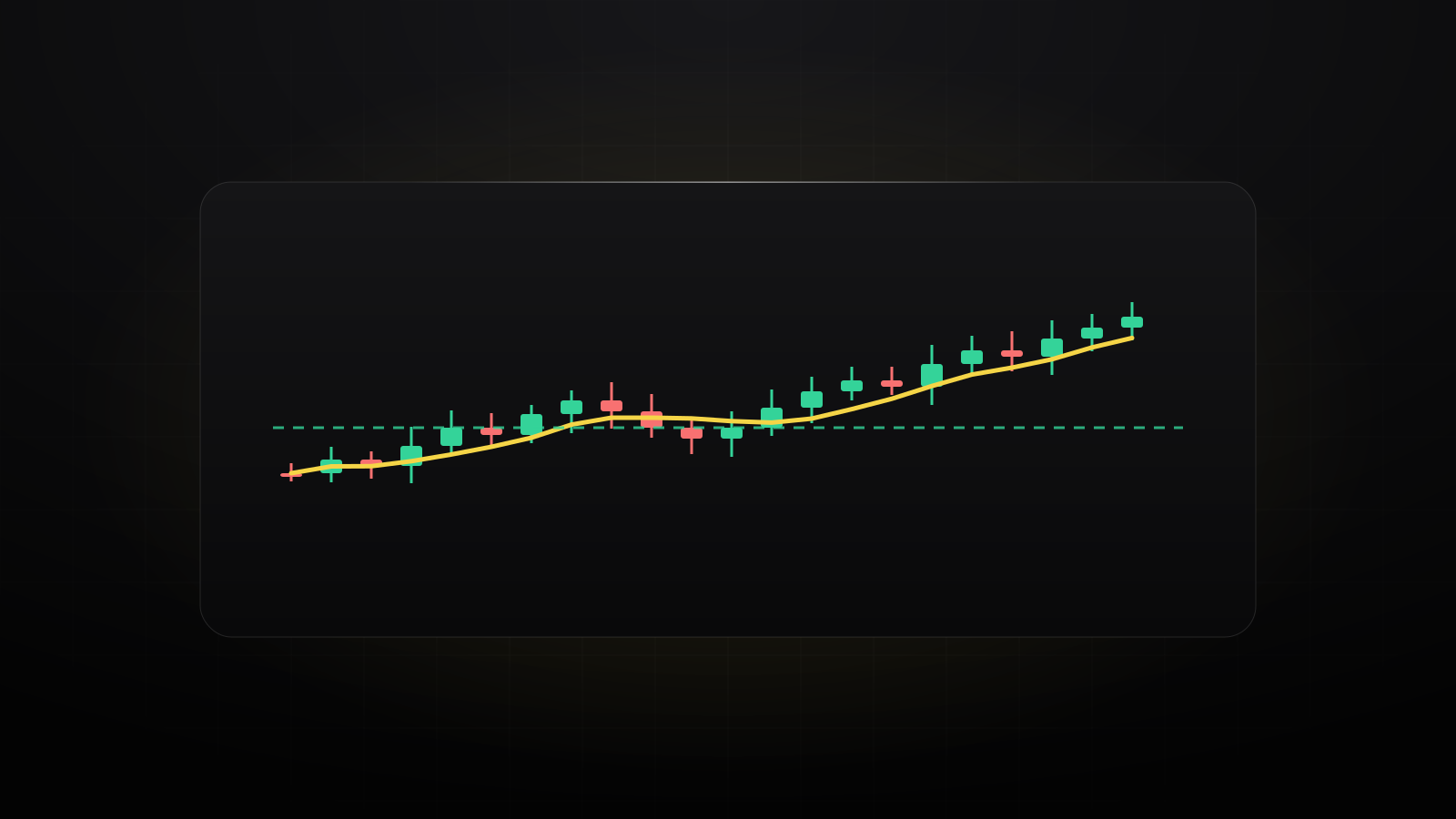
The idea: gold often trends for weeks or months, driven by slow forces like interest rates and central bank buying. Trade in the direction of the trend, and let winners run.
How: define the trend with moving averages, for example price above a rising 50-day average. Buy pullbacks toward the average in an uptrend (sell rallies in a downtrend), with a stop below the last swing low.
Fails when: gold goes sideways. Expect a string of small losses between big trends.
2. Breakouts
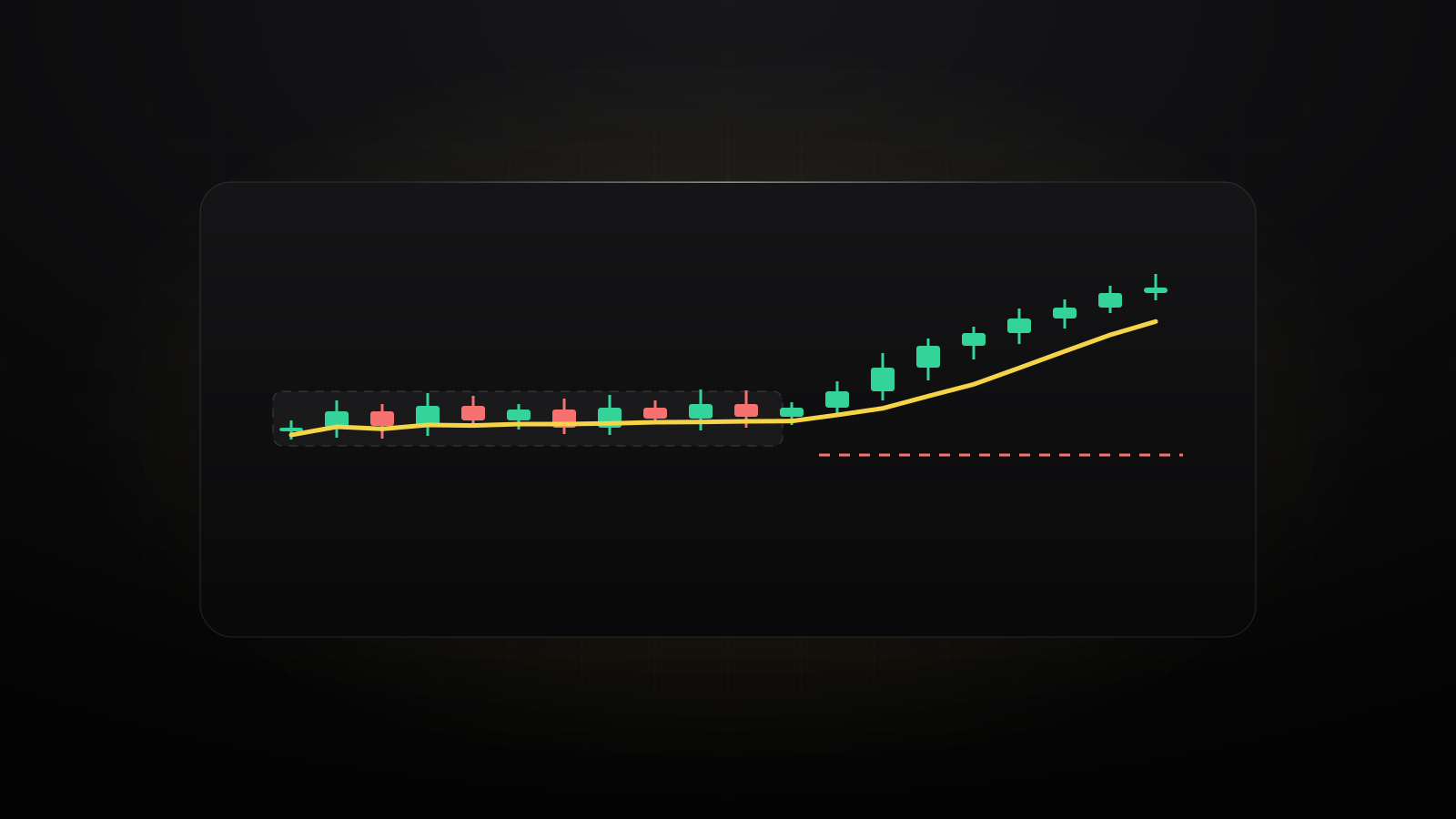
The idea: gold often coils in a range, then breaks out hard. Overnight, in Asian hours, it’s usually quiet; when London opens around 3:00 AM ET, it often breaks out of that overnight range.
How: mark the range (the Asian session, yesterday’s high and low, or a multi-day box). Enter on a break above or below, with a stop back inside the range. Volume and a clear catalyst make breakouts more reliable.
Fails when: the break reverses straight back into the range, a “false breakout”. Waiting for a close outside the range filters some of these.
3. News and data trading
The idea: gold makes its biggest moves on scheduled US data (CPI, the jobs report) and Fed decisions, and on surprise headlines.
How: know the time of every release on the economic calendar. Many traders wait for the first 15 minutes after the release, then trade a break of that range in the direction of the surprise: a hot CPI usually means a stronger dollar and weaker gold. See how CPI moves gold.
Fails when: the first move reverses, or spreads widen so much at the release that your stop fills far away. Trade smaller around news.
4. Range trading
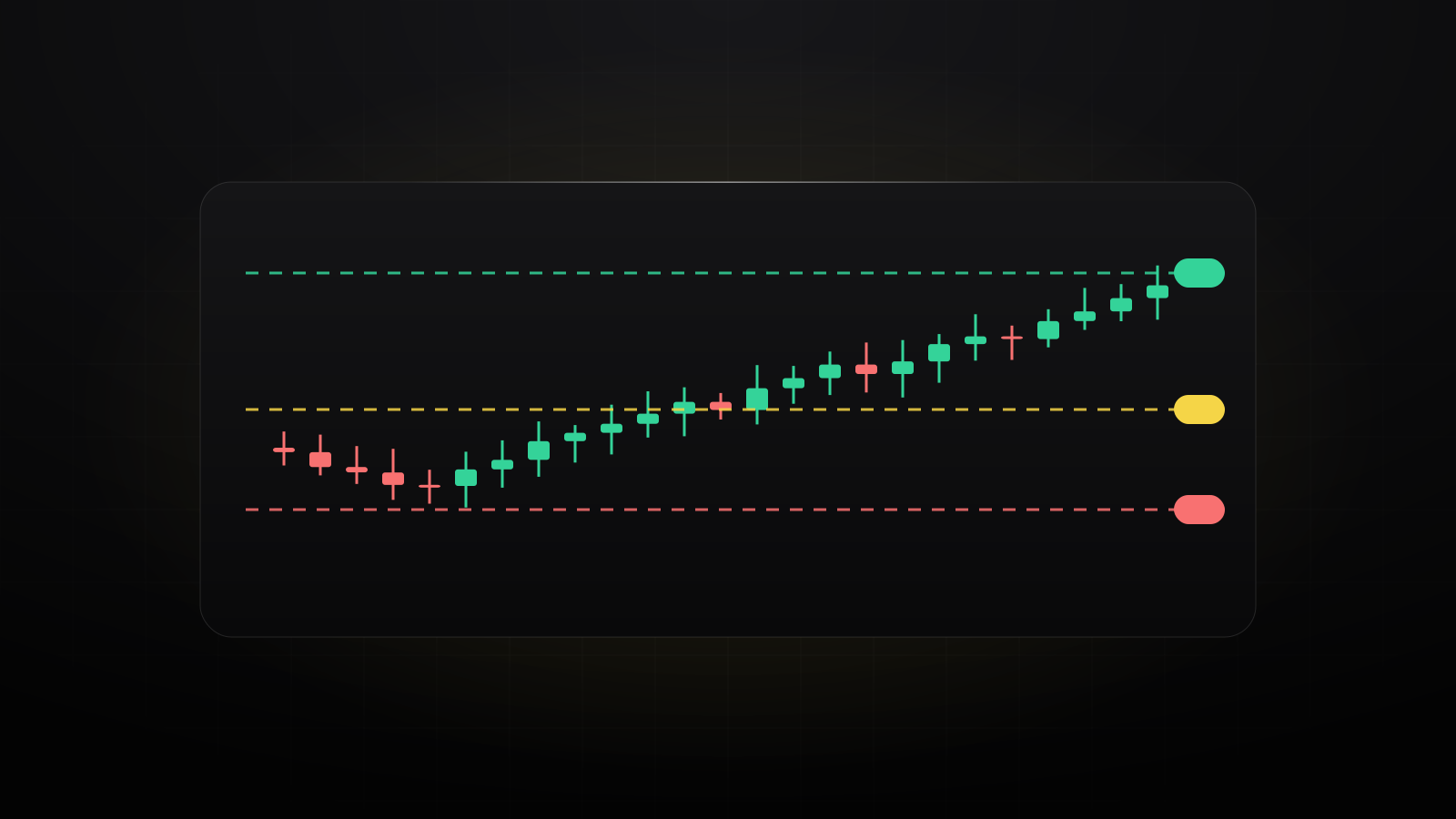
The idea: between trends, gold bounces between support and resistance. Buy near the bottom of the range and sell near the top.
How: use levels the price has reacted to more than once: last week’s high and low, round numbers, prior swing points. Keep stops just outside the range, and targets near the other side.
Fails when: the range breaks, which is exactly when the breakout trader wins. Stop out quickly when it does.
5. Macro swing trading
The idea: trade the big drivers over days to weeks: real interest rates, the dollar, Fed expectations and central bank demand.
How: watch the 10-year Treasury yield and the Dollar Index next to gold. When yields and the dollar turn lower and the Fed leans toward cuts, look for long trades on pullbacks; the reverse for shorts. We explain the drivers in why gold goes up and why it drops.
Fails when: something outside the model takes over, like a war or a sudden wave of selling. Use wider stops and smaller size.
The part that matters most: risk
- Size from the stop. Risk a small, fixed share of your account on each trade, often 1%. If you risk $100 and your stop is $15 away, you can trade about 6.7 ounces (0.06 lots, where a lot is 100 ounces). One micro gold futures contract, 10 ounces, would risk $150 at that stop: too much for that account.
- Set stops from volatility. A stop tighter than a fraction of the average daily range above will get hit by normal noise.
- Mind the sessions. The cleanest moves usually come during London and New York; the quiet Asian hours chop.
- Keep a journal, and judge a strategy over 30 or more trades, not three.
Test before you trade
Pick one strategy, write its rules down, and practice it with virtual money in our free trade simulator. New to gold? Start with how to trade gold and what XAU/USD means.
Education, not financial advice. No strategy wins all the time, and trading gold with leverage is risky. See our disclaimer.