LemonTrades
TL;DR
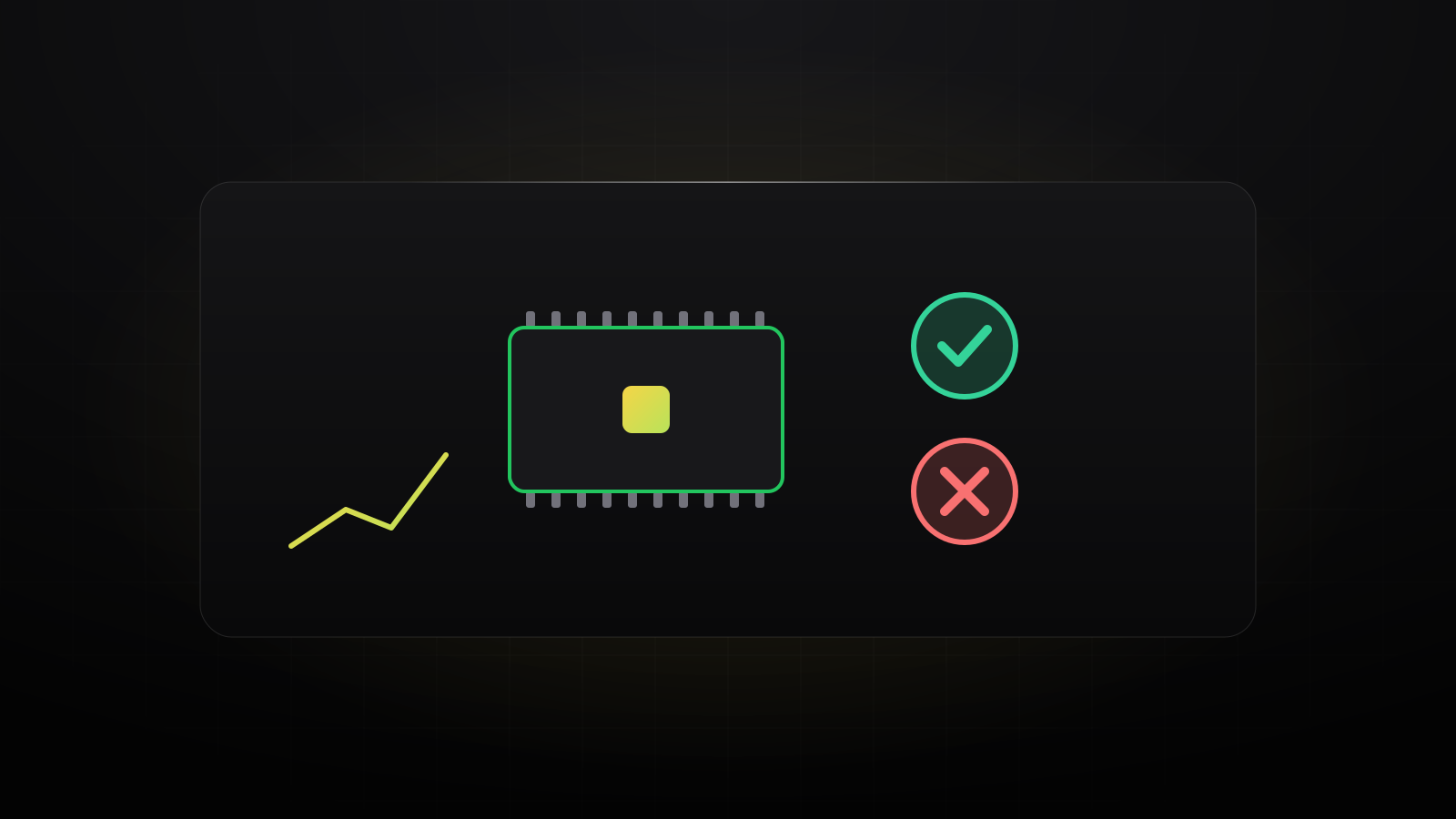
- AI in trading is real: big firms use machine learning, and AI is good at reading news and data fast. AI that reliably predicts prices isn’t.
- Most “AI trading bots” sold online with promised returns are scams or hype; the CFTC and the SEC have both warned about them.
- Red flags: guaranteed returns, crypto-only deposits, pressure to deposit more, trouble withdrawing, and no registration you can look up.
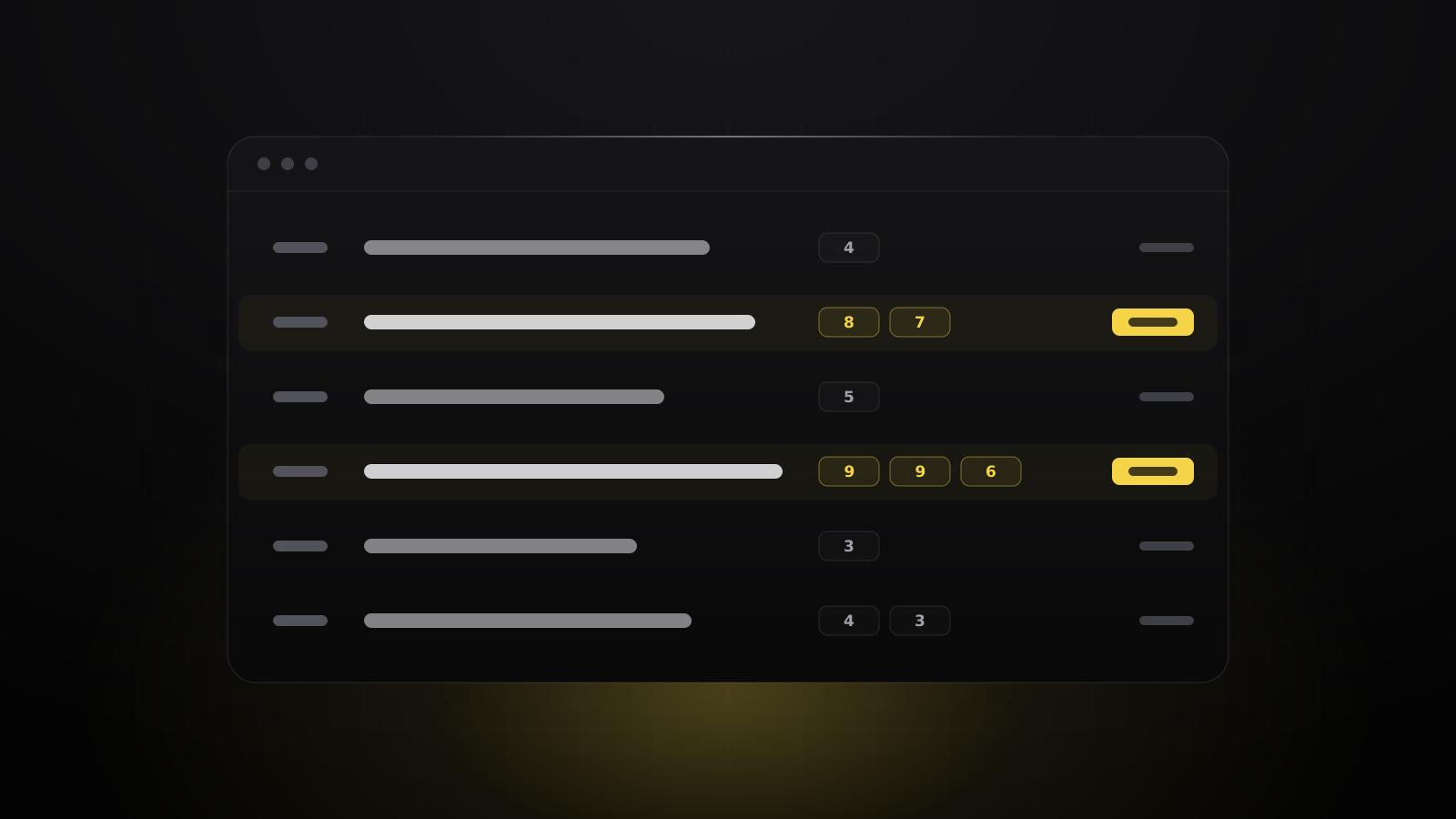
- LemonTrades uses AI for what it’s good at: reading about 20 news sources and telling you what moved your markets, and why. It never trades for you.
“AI trading” covers everything from billion-dollar quant funds to apps that promise to double your money. Some of it is real. A lot isn’t. Here’s how to tell.
Where AI is real in trading
- Quant funds and trading firms use machine learning to find patterns in huge data sets, alongside human researchers and strict risk limits. See what is quant trading.
- Reading text: AI can read headlines, earnings reports and central bank statements in seconds and summarize what matters.
- Scanning: flagging unusual moves, volume or patterns across hundreds of markets.
- Research and coding: writing backtests and explaining ideas faster.
What AI can’t do
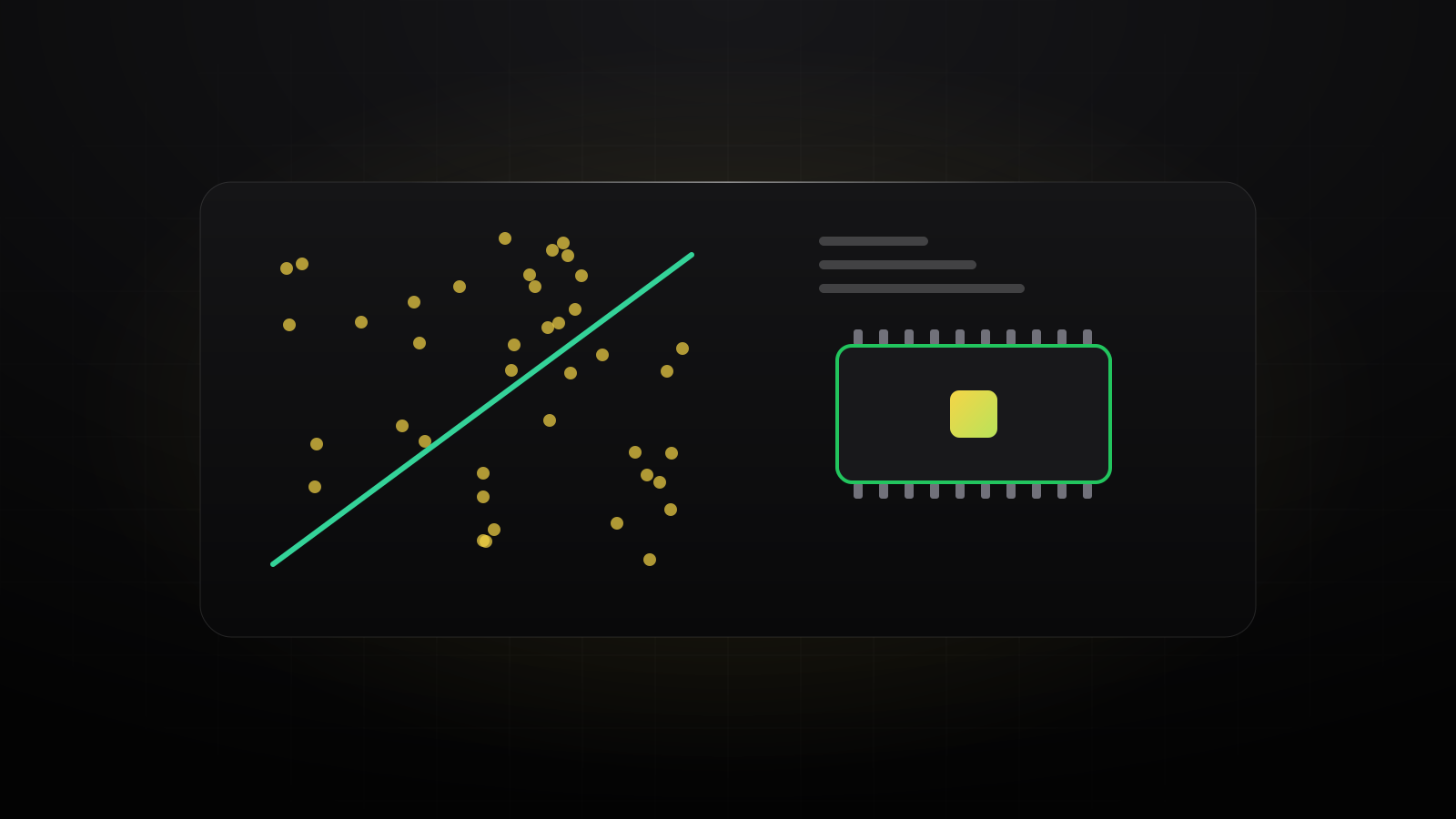
No AI reliably predicts prices. Markets react to news nobody can know in advance, and any pattern that works gets traded away as others find it. Chatbots can also state wrong facts with confidence. An honest AI product tells you what it does and doesn’t do.
What regulators warn about
- The CFTC issued an advisory titled “AI Won’t Turn Trading Bots into Money Machines,” warning that scammers use AI claims to sell bots that promise huge returns, often in crypto, then take the money.
- The SEC fined two investment advisers in March 2024 for “AI washing”: claiming to use AI in ways they didn’t.
Red flags in an AI trading product
| Red flag | Why it matters |
|---|---|
| Guaranteed or fixed returns | No real trading system can promise returns. It’s the classic sign of a fraud. |
| Deposits only in crypto | Hard to trace and nearly impossible to get back. |
| Pressure to deposit more | Fake “profits” on a dashboard are used to get bigger deposits. |
| Fees to withdraw | A common last step in a scam: pay a “tax” to unlock your money. |
| No registration | US firms that handle your money or trade for you must be registered. |
| A secret method | “Proprietary AI” with no explanation of what it does. |
How to check an AI trading product
- Look up the firm on FINRA’s BrokerCheck (brokers and advisers) or the NFA’s BASIC (futures and forex).
- Ask who holds your money. It should be a registered broker in your own name, never the app’s wallet.
- Ask what the AI actually does, in plain words. Vague answers are a warning.
- Test it without money: a free trial or paper trading first. See what is paper trading.
How LemonTrades uses AI
LemonTrades is a news desk, not a trading bot. It reads about 20 news sources around the clock, scores each headline for how much it matters to the markets you follow, explains why, and alerts you to sharp moves with the likely cause. It doesn’t touch your money, place trades or promise returns, and it grades its own daily calls, good weeks and bad, on the bias scorecard. See how the desk reads the news and meet Twan, the desk’s analyst.
Sources
- CFTC: AI Won’t Turn Trading Bots into Money Machines
- SEC: charges against two advisers for AI washing
- FINRA BrokerCheck
- NFA BASIC
Education, not financial advice. See our disclaimer.