LemonTrades
TL;DR
- Know what you’re buying: a stock priced for robotaxis and robots, not for today’s car profits.
- Tesla moves about 2% on an average day and fell 65% in 2022, so buy an amount a big drop wouldn’t force you to sell.
- Before you buy, decide how much you’ll put in, how long you’ll hold, and what would make you sell.
- LemonTrades keeps you on top of the news moving TSLA, so you’re not guessing after a big move.
“Should I buy Tesla?” is really several questions. Answer them honestly and you’ll know whether Tesla fits you, at what size, and what you’ll do when it moves against you, which it will.
1. What do you believe about Tesla?
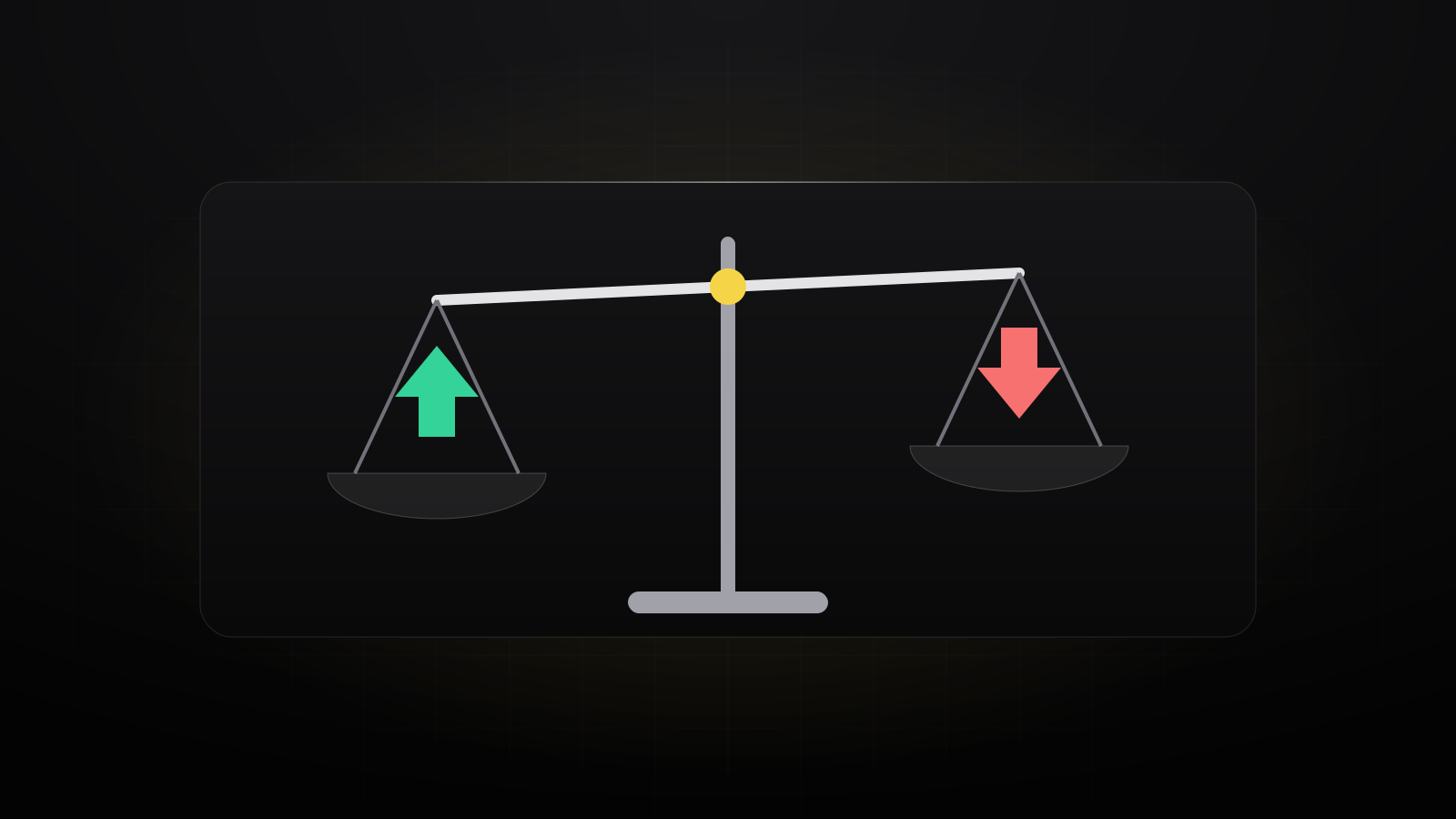
Tesla is valued at about $1.5 trillion, hundreds of times its yearly profit. Buying it means agreeing, at least partly, with the bull case:
- Bull case: robotaxis spread from Austin to many cities, self-driving software (1.74 million subscriptions) earns software-like profits, Optimus robots go on sale, and energy storage keeps growing.
- Bear case: car deliveries fell in 2024 and 2025, profits have shrunk, Chinese rivals are cheaper, and the new businesses take longer, or earn less, than the price assumes.
If you only like Tesla as a carmaker, the stock is hard to justify at this price. More in why Tesla stock is so high.
2. Can you live with the swings?
Tesla rose 743% in 2020 and fell 65% in 2022. It has dropped more than 14% in a single day three times since 2024. On an average day it moves about 2%, twice as much as the S&P 500. See every year on the Tesla stock chart. If a 40% drop would make you sell, buy less, or don’t buy.
3. How long will you hold it?
Over days and weeks, Tesla moves on news, earnings and Musk: that’s trading, and it’s mostly luck without a plan. Over years, the result depends on whether the bull case comes true. Decide which you’re doing before you buy, because each needs different rules.
4. How much should you put in?
- Many investors keep any single stock to a small slice of their savings, often 5% or less, so one bad call can’t sink them.
- If you own an S&P 500 or Nasdaq 100 index fund, you already own some Tesla.
- Money you’ll need in the next few years doesn’t belong in a stock this volatile.
5. All at once, or bit by bit?
Buying in equal amounts every month or so means you don’t have to pick the right day, and you buy more shares when the price is low. Avoid buying right before earnings unless you’re ready for a move of 10% or more either way: see how Tesla reacted to each report.
6. What would make you sell?
Write it down now: a price, a change in the story (robotaxis stalling, margins collapsing) or a time limit. Investors who decide this in advance sell for reasons; the rest sell in panics.
If you’re unsure
An index fund gives you Tesla alongside hundreds of other companies. Leveraged funds like TSLL are the opposite of unsure: they double Tesla’s daily moves. You can also practice first with virtual money in our trade simulator. Ready to buy? See how to buy Tesla stock.
Education, not financial advice. We don’t know your situation, and nothing here is a recommendation to buy or sell. See our disclaimer.