LemonTrades
TL;DR
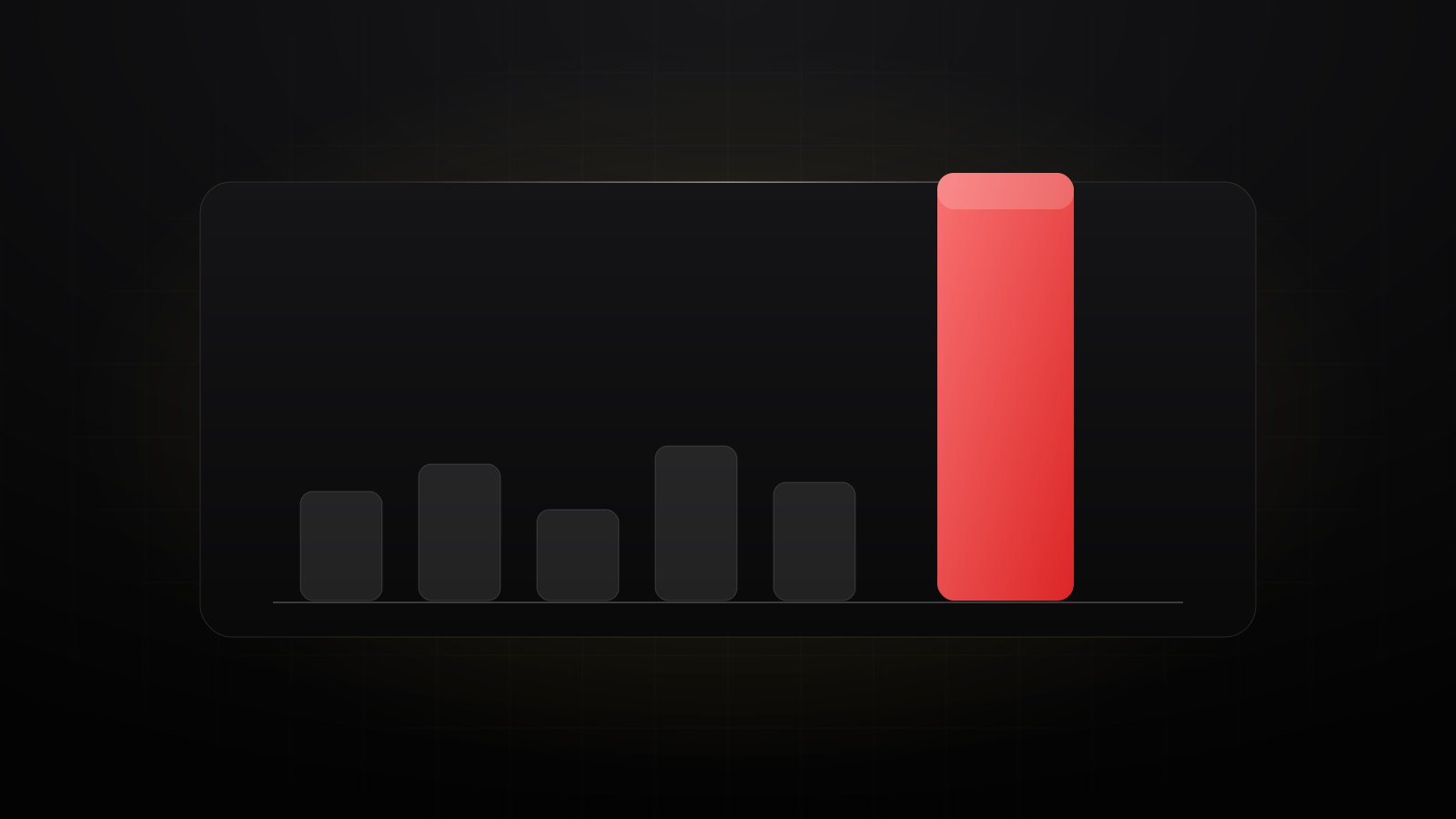
- Tesla is worth about four times Toyota, GM and Ford combined, while selling about a sixth as many cars as Toyota alone.
- Investors value it as an AI and robotics company: its price is hundreds of times its profit, against about 10 times for most carmakers.
- The price rests on robotaxis, Optimus and energy storage paying off. Delays and weak margins are what pull it down.
- LemonTrades scores every robotaxi, earnings and Musk headline for Tesla as it breaks.
By the usual measures Tesla is wildly expensive. Investors aren’t using the usual measures, though: they’re paying for what they think Tesla will be in five or ten years. Whether that’s smart or a bubble is the whole debate.
How high is high?
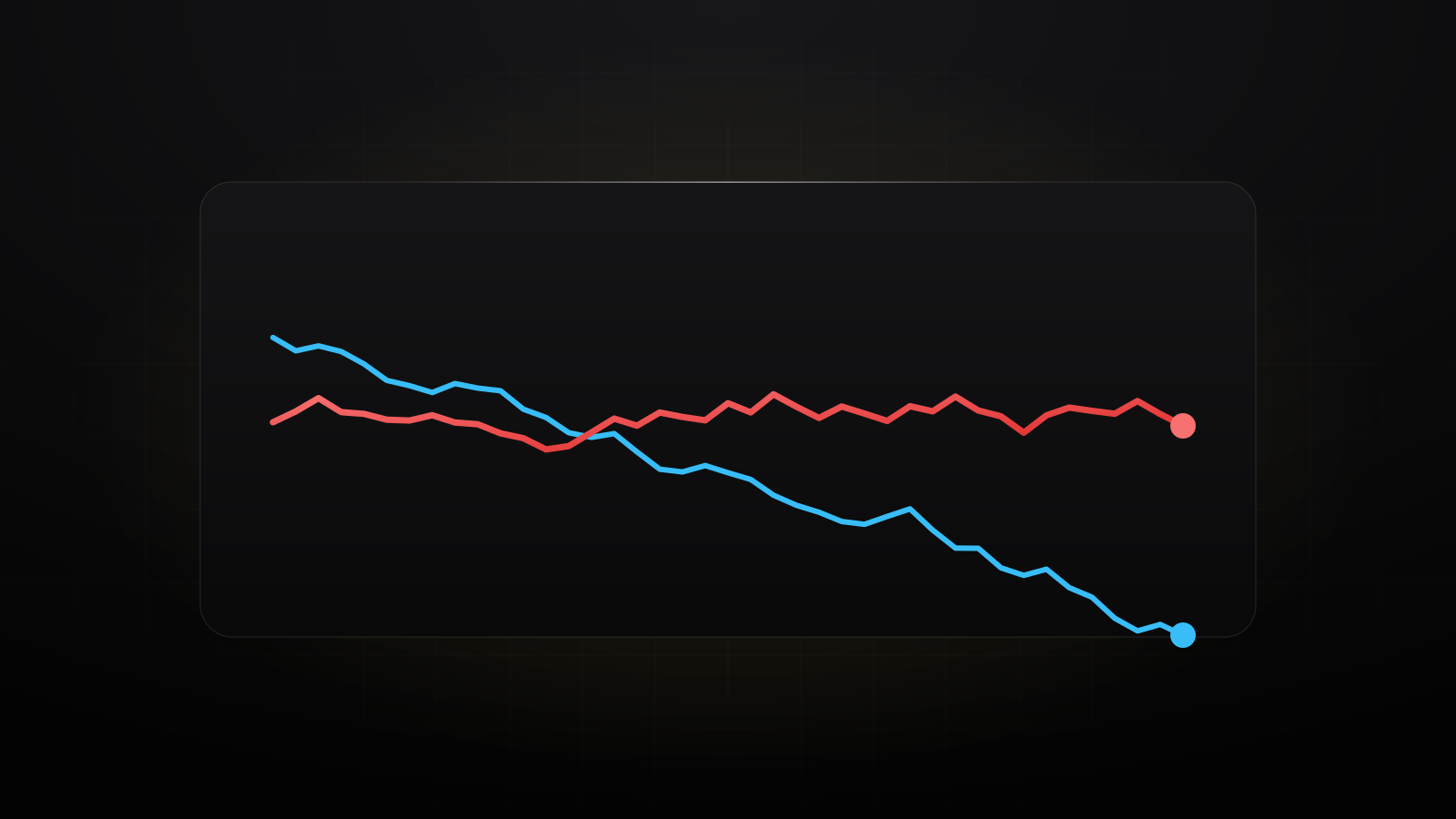
At around $1.5 trillion, Tesla is worth roughly four times Toyota, GM and Ford put together. Its profit in the 12 months to June 2026 was about $1.08 a share under standard accounting, so the stock trades at hundreds of times earnings. The S&P 500 trades at about 20 to 25 times, and most carmakers at around 10.
What investors are paying for
- Robotaxis. Tesla runs a driverless ride service in Austin, with nearly 2 million unsupervised miles by September 2026, and its purpose-built Cybercab has joined the fleet. If it scales, Tesla earns on every mile, not just every car sold.
- Self-driving software. 1.74 million active FSD subscriptions, up 67% in a year: recurring, high-margin revenue.
- Optimus. A humanoid robot Musk calls Tesla’s biggest future product. It isn’t on sale yet.
- Energy storage. Grid batteries with a 33% gross margin in Q3 2026, among Tesla’s best.
- AI. Tesla builds its own chips and training computers, and investors treat it as one of the big AI companies.
Why investors are willing to pay
- A record of proving doubters wrong: many said Tesla would never turn a profit or mass-produce cars; it did both.
- Musk: he has built several companies others thought impossible, and many investors buy Tesla as a bet on him.
- Loyal shareholders: individual investors own an unusually large share of Tesla and tend to hold through drops.
- Index money: as one of the biggest US companies, Tesla is bought automatically by every S&P 500 and Nasdaq 100 fund.
What could bring it down
- Robotaxi or Optimus timelines slipping again, or regulators slowing driverless cars.
- Car margins and free cash flow falling while spending tops $25 billion a year.
- Cheaper Chinese rivals, led by BYD.
- Musk: politics, share sales, or attention moving to SpaceX and xAI.
- Higher interest rates, which hit stocks valued on far-off profits hardest.
Those are the forces behind most of Tesla’s biggest days. To see what’s moving it right now, check why Tesla stock is up today.
So is it a bubble?
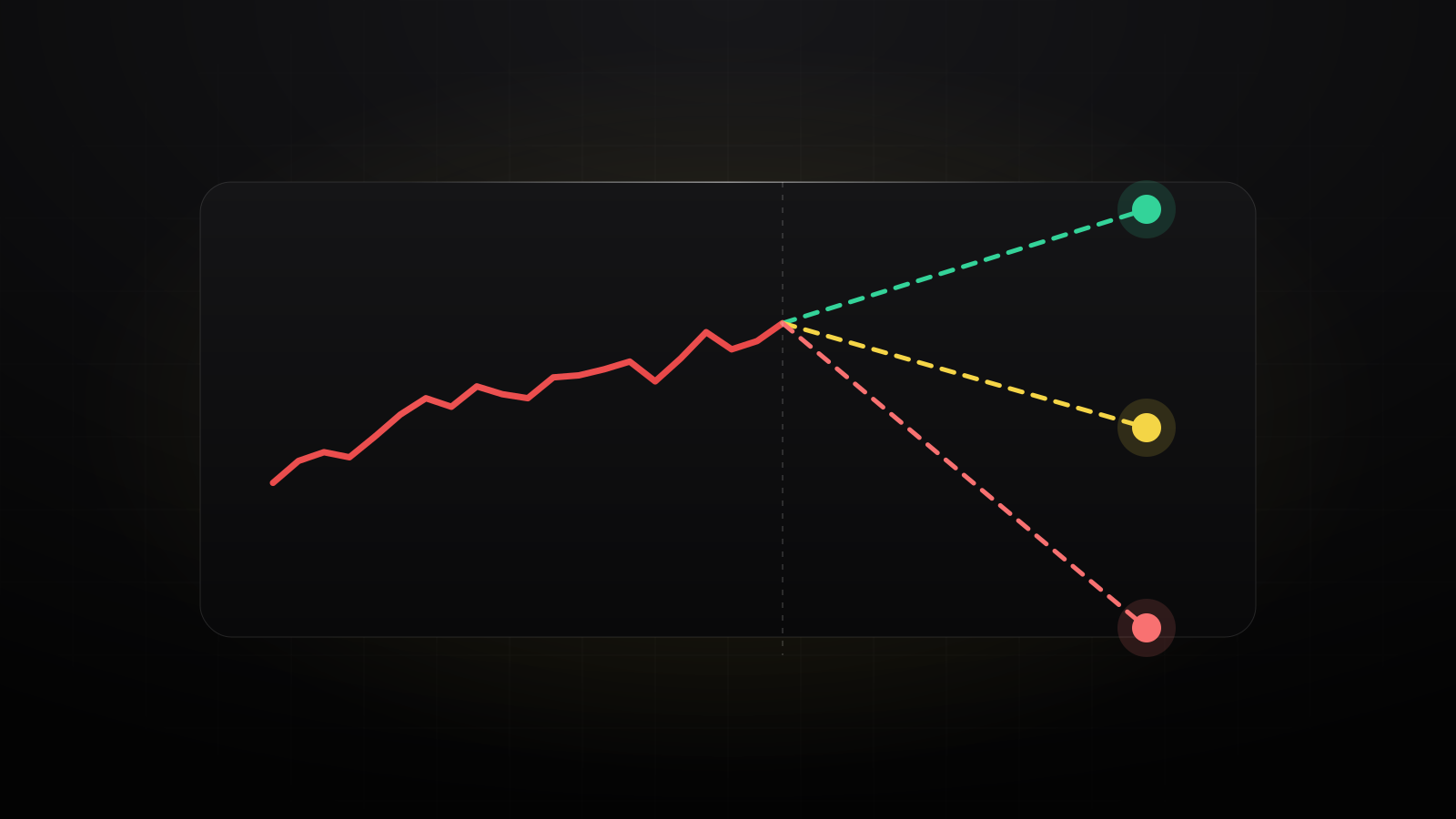
That depends on the next five years, which nobody knows. If robotaxis and robots turn into huge businesses, today’s price could look cheap; if they don’t, Tesla is priced for a future that isn’t coming. The range of analyst targets, from about $25 to $840, shows how split opinion is: see Tesla stock price prediction 2030.
Education, not financial advice. See our disclaimer.